Sjogren's Syndrome-- Is an autoimmune disease named for Henrik Sjögren, a Swedish ophthalmologist. It is mostly known for causing extremely dry eyes and mouth. But it affects MANY other parts of the body because it affects the exocrine glands. The exocrine glands secrete their products to the outside of the body. These glands include the lacrimal and salivary glands and also glands in the stomach, intestines, respiratory tract, the skin, vagina as well as the pancreas and prostate. If their function is impaired it will affect the corresponding organs.
There are three types of Sjögren's syndrome. Primary Sjögren's syndrome occurs by itself, with no other associated disorders. Secondary Sjögren's syndrome occurs along with other autoimmune disorders, like systemic lupus erythematosus, rheumatoid arthritis, scleroderma, vasculitis, or polymyositis. If the disorder only involves the eyes, it is called sicca complex.
About nine times as many women as men suffer from Sjögren's syndrome. Although most patients are diagnosed when they are between 40 and 55, SS affects all age groups. Thirty percent of people with other autoimmune diseases like Systemic Lupus Erythematosus and rheumatoid arthritis, also have SS. And a large percentage of SS patients also have POTS, and/or OT.
Between 0.1% and 3% of the population in the United States have SS and it is reflected in all ethnicities. According to the American College of Rheumatology, between 1 million and 4 million Americans have Sjögren's syndrome.
Exactly what causes Sjogren's syndrome has not been determined. There are several possibilities. It runs in some families, indicating a genetic factor. The fact that more women than men have it points toward hormonal influences. And there are also viral factors. The immune system may be activated when the patient contracts a virus and then it becomes overactive and mistakes areas of the body that produce moisture. In 2004 a group of Greek researchers presented evidence that a coxsackievirus may be the disease organism that triggers SS.
Most frequently SS causes dryness in the salivary glands, causing an extremely dry mouth. This is called xerostomia. This leads to difficulty swallowing and speaking. Because there is a reduction of saliva to help keep the teeth clean, cavities and gum disease are also a prominent result. Saliva is produced mostly by the parotid glands. They lie over the jaw bones and behind the cheeks and in front of the ears. They frequently become enlarged in patients with SS.
The extremely dry eyes found in SS is caused by the lacrimal glands which produce tears, being slowly destroyed. This results in itching, burning, redness, sensitivity to light and thickened secretions that gather at the corners of the eyes. In some cases, the cornea develops ulcerations.
Other moisture producing glands in other areas of the body can cause many other symptoms. In the respiratory tract, dry mucous membranes in the nose can cause sinus infections and nosebleeds, not to mention discomfort. There can also be hoarseness, bronchitis, pneumonia, and ear infections. It can also cause inflammation and damage to alveoli(air sacs) in the lungs, resulting in scarring and breathing difficulty. Patients can have very uncomfortable vaginal dryness resulting in yeast infections and urinary symptoms.
I found out the hard way that the pancreas and gallbladder can be involved. This is due to slowed production of digestive enzymes and the pancreas itself works similarly to salivary glands and in conjunction with them. When you chew food a digestive enzyme is released in your mouth and another one is released by your pancreas. But if you think about it, it makes perfect sense. They are liquid. If they aren't functioning, then there can be problems digesting food and absorbing nutrients like B12 which causes pernicious anemia. If you also have something like lupus, you are already at risk of anemia because of increased cell apoptosis.The role of apoptosis in systemic lupus erythematosus My gallbladder was necrotic and the cystic duct was gangrenous and the cystic artery was thrombosed. During my surgery, I lost 10 ml of blood. If I had lost anymore they would have had to do a blood transfusion. The whole thing ended up causing pancreatitis.
Liver diseases have been found in about a quarter of patients with Sjögren's syndrome. These can include Primary sclerosing cholangitis (PSC), a chronic, or long-term, disease that slowly damages the bile ducts, Primary biliary cirrhosis (PBC),autoimmune liver disease, and in some areas of the world, Hepatitis C.
There are also problems with the esophagus and the rest of the digestive tract due to decreased secretions. One very obvious problem with SS and digestion is constipation. If there aren't enough secretions in the intestines and not enough moisture, you are going to be constipated. Medications to reduce reflux are frequently prescribed and many patients have strictures and other problems with the esophagus and swallowing called dysphagia. I have had strictures, and esophagheal spasms, GERD and I have Barrett's Esophagus. Esophageal motor function in primary Sjögren's syndrome: correlation with dysphagia and xerostomia Dysphagia and other manifestations of oesophageal involvement in the musculoskeletal diseases Mayo Clinic: Dysphagia You can also have abnormal liver function tests, chronic active autoimmune hepatitis and primary biliary cirrhosis.
Here are a few other links for some of the digestive problems with SS. gastrointestinal-effects-of-sjogrens Sjögren's syndrome - information for patients and professionals by Dr. Joop P van de Merwe
Sjögren's Syndrome - CRASH! Medical Review Series
Sjogren's: A Place to Begin - Part 1: What is Sjogren's Syndrome?
Sjogren's: A Place to Begin - Part 2: Management & Treatment of
Sjogren's
Sjogren's: A Place to Begin - Part 3: Personal Experience: Estrella
Sjogren's: A Place to Begin - Part 4: Personal Experience: Cathy
Tips for Sjogren's Syndrome- Now With Captions!
Let's Talk About Pain: Sjogren's Syndrome & Rhumatoid Arthritis
There are three types of Sjögren's syndrome. Primary Sjögren's syndrome occurs by itself, with no other associated disorders. Secondary Sjögren's syndrome occurs along with other autoimmune disorders, like systemic lupus erythematosus, rheumatoid arthritis, scleroderma, vasculitis, or polymyositis. If the disorder only involves the eyes, it is called sicca complex.
About nine times as many women as men suffer from Sjögren's syndrome. Although most patients are diagnosed when they are between 40 and 55, SS affects all age groups. Thirty percent of people with other autoimmune diseases like Systemic Lupus Erythematosus and rheumatoid arthritis, also have SS. And a large percentage of SS patients also have POTS, and/or OT.
Between 0.1% and 3% of the population in the United States have SS and it is reflected in all ethnicities. According to the American College of Rheumatology, between 1 million and 4 million Americans have Sjögren's syndrome.
Exactly what causes Sjogren's syndrome has not been determined. There are several possibilities. It runs in some families, indicating a genetic factor. The fact that more women than men have it points toward hormonal influences. And there are also viral factors. The immune system may be activated when the patient contracts a virus and then it becomes overactive and mistakes areas of the body that produce moisture. In 2004 a group of Greek researchers presented evidence that a coxsackievirus may be the disease organism that triggers SS.
Most frequently SS causes dryness in the salivary glands, causing an extremely dry mouth. This is called xerostomia. This leads to difficulty swallowing and speaking. Because there is a reduction of saliva to help keep the teeth clean, cavities and gum disease are also a prominent result. Saliva is produced mostly by the parotid glands. They lie over the jaw bones and behind the cheeks and in front of the ears. They frequently become enlarged in patients with SS.
The extremely dry eyes found in SS is caused by the lacrimal glands which produce tears, being slowly destroyed. This results in itching, burning, redness, sensitivity to light and thickened secretions that gather at the corners of the eyes. In some cases, the cornea develops ulcerations.
Other moisture producing glands in other areas of the body can cause many other symptoms. In the respiratory tract, dry mucous membranes in the nose can cause sinus infections and nosebleeds, not to mention discomfort. There can also be hoarseness, bronchitis, pneumonia, and ear infections. It can also cause inflammation and damage to alveoli(air sacs) in the lungs, resulting in scarring and breathing difficulty. Patients can have very uncomfortable vaginal dryness resulting in yeast infections and urinary symptoms.
I found out the hard way that the pancreas and gallbladder can be involved. This is due to slowed production of digestive enzymes and the pancreas itself works similarly to salivary glands and in conjunction with them. When you chew food a digestive enzyme is released in your mouth and another one is released by your pancreas. But if you think about it, it makes perfect sense. They are liquid. If they aren't functioning, then there can be problems digesting food and absorbing nutrients like B12 which causes pernicious anemia. If you also have something like lupus, you are already at risk of anemia because of increased cell apoptosis.The role of apoptosis in systemic lupus erythematosus My gallbladder was necrotic and the cystic duct was gangrenous and the cystic artery was thrombosed. During my surgery, I lost 10 ml of blood. If I had lost anymore they would have had to do a blood transfusion. The whole thing ended up causing pancreatitis.
Liver diseases have been found in about a quarter of patients with Sjögren's syndrome. These can include Primary sclerosing cholangitis (PSC), a chronic, or long-term, disease that slowly damages the bile ducts, Primary biliary cirrhosis (PBC),autoimmune liver disease, and in some areas of the world, Hepatitis C.
There are also problems with the esophagus and the rest of the digestive tract due to decreased secretions. One very obvious problem with SS and digestion is constipation. If there aren't enough secretions in the intestines and not enough moisture, you are going to be constipated. Medications to reduce reflux are frequently prescribed and many patients have strictures and other problems with the esophagus and swallowing called dysphagia. I have had strictures, and esophagheal spasms, GERD and I have Barrett's Esophagus. Esophageal motor function in primary Sjögren's syndrome: correlation with dysphagia and xerostomia Dysphagia and other manifestations of oesophageal involvement in the musculoskeletal diseases Mayo Clinic: Dysphagia You can also have abnormal liver function tests, chronic active autoimmune hepatitis and primary biliary cirrhosis.
Here are a few other links for some of the digestive problems with SS. gastrointestinal-effects-of-sjogrens Sjögren's syndrome - information for patients and professionals by Dr. Joop P van de Merwe
Kidney problems such as glomerulonephritis(inflammation of the glomerulus filters in the kidney) are also not unusual. This will cause, edema or swelling, blood in the urine and reduced urine output. Again this makes perfect sense because your kidneys are what maintain the balance of fluids in your entire body. Patients also have symptoms that have nothing to do with their glands including, fatigue, muscle aches and pains, fevers and joint pain. Sixty-one percent of patients with primary Sjögren's syndrome have severe urological symptoms compared with 40% of control patients
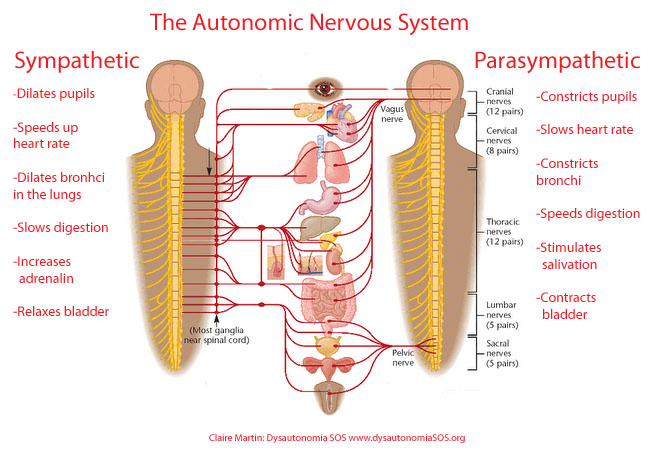
with osteoarthritis. One of these problems is bladder irritability associated with urinary urgency and overactive bladder. The overactive bladder associated with Sjögren's syndrome is an autoantibody-mediated disorder of the autonomic nervous system,which may be part of a wider spectrum of cholinergic hyperresponsiveness. This is basically the autonomic nervous system or in other words, dysautonomia. Patients can also have interstitial cystitis. This is inflammation in the interstitium of the bladder. Symptoms include pain, pressure or discomfort in or around the bladder, a persistent urge to urinate and frequent urination both in the daytime and at night. When the bladder is full, the pain is worse. There isn't any urinary tract infection, though. There are other names for it such as painful bladder syndrome(PBS) and hypersensitive bladder. Kidney stones are a problem as well, and those are quite painful and urinary tract infections are frequent as well. I am plagued with both.
SS patients also have skin problems such as dry patches or overall dry skin, vasculitis. Cutaneous B-cell lymphoma(generally easier to think of as just lymphoma) is something that SS patients are at increased risk of.
with osteoarthritis. One of these problems is bladder irritability associated with urinary urgency and overactive bladder. The overactive bladder associated with Sjögren's syndrome is an autoantibody-mediated disorder of the autonomic nervous system,which may be part of a wider spectrum of cholinergic hyperresponsiveness. This is basically the autonomic nervous system or in other words, dysautonomia. Patients can also have interstitial cystitis. This is inflammation in the interstitium of the bladder. Symptoms include pain, pressure or discomfort in or around the bladder, a persistent urge to urinate and frequent urination both in the daytime and at night. When the bladder is full, the pain is worse. There isn't any urinary tract infection, though. There are other names for it such as painful bladder syndrome(PBS) and hypersensitive bladder. Kidney stones are a problem as well, and those are quite painful and urinary tract infections are frequent as well. I am plagued with both.
SS patients also have skin problems such as dry patches or overall dry skin, vasculitis. Cutaneous B-cell lymphoma(generally easier to think of as just lymphoma) is something that SS patients are at increased risk of.
As previously mentioned, Sjogren's can affect the bladder due to dysautonomia. Sjogren's syndrome can also cause damage to the nervous system which causes peripheral neuropathy, which is damage to the nerves in the arms and legs. This results in pain, numbness, and weakness. When it causes cranial neuropathy, it can cause headaches and loss of taste and smell. And the parasympathetic system can be affected, which causes POTS and OT. Dysautonomia International: Underlying Causes of Dysautonomia It can also cause digestive motility problems because those are part of the autonomic nervous system via the parasympathetic nervous system. It results in yet another reason for difficulty swallowing, nausea, vomiting, and constipation. This can be exacerbated by inflammation. Diarrhea can also be a problem. If your pancreas isn't working properly and releasing digestive enzymes, then you won't be able to absorb fats and will have oily diarrhea.
About 1/3 of Sjogen's patients have some form of thyroid disorder.An underactive thyroid gland can cause constipation and fatigue. Thyroid problems can be treated, but they are often underdiagnosed.
The all over pain and fatigue that often accompanies SS can be very debilitating as if you have the flu and it won't go away.
And all of this can be secondary to other autoimmune diseases and the symptoms that go along with them. Antiphospholipid Syndrome is an autoimmune disease that causes bleeding and clotting problems, and apart from the problems this can cause the patient themselves, it can also put them at risk during pregnancies and cause miscarriage. Babies born to mothers with SS can have a condition called fetal heart block. Because of the association with these other conditions, such as lupus and rheumatoid arthritis, those patients will also be at risk for developing POTS and OT.
Sjogren's syndrome has no cure. The symptoms can be treated in order to relieve some of the discomforts and try to avoid complications. Artificial tears are available over the counter and there are also prescription eye drops but those have an increased risk of malignancy. Some patients need to use these every 30 minutes or so. There is also a procedure called punctal occlusions, where they seal off your tear ducts so you maintain more tears in your eyes. Keeping something, especially water close at hand in order to take frequent sips of will help some with dry mouth. Sugarless gum and other lozenges can also be helpful. There are also mouthwashes for dry mouth. Pilocarpine(Salagen) and cevimeline(Evoxac) are prescription medications to increase saliva and tears. In order to avoid tooth decay and gum disease, special attention to dental hygiene is necessary. There are gel lubricants to treat vaginal dryness. Humidifiers and avoiding cigarette smoke are a good idea. Over the counter lotions and moisturizers help the dry skin. Other complications of Sjogren's can be helped with steroids. And an anti-malarial drug called Hydroxychloroquine(Plaquenil) is also frequently prescribed.
Diagnosis is made through tests of your eyes to see how much tears you produce as well as biopsies of the salivary glands and blood tests for specific autoimmune antigens. You can read here about how it is diagnosed. http://www.sjogrens.org/home/about-sjogrens/diagnosis
About 1/3 of Sjogen's patients have some form of thyroid disorder.An underactive thyroid gland can cause constipation and fatigue. Thyroid problems can be treated, but they are often underdiagnosed.
The all over pain and fatigue that often accompanies SS can be very debilitating as if you have the flu and it won't go away.
And all of this can be secondary to other autoimmune diseases and the symptoms that go along with them. Antiphospholipid Syndrome is an autoimmune disease that causes bleeding and clotting problems, and apart from the problems this can cause the patient themselves, it can also put them at risk during pregnancies and cause miscarriage. Babies born to mothers with SS can have a condition called fetal heart block. Because of the association with these other conditions, such as lupus and rheumatoid arthritis, those patients will also be at risk for developing POTS and OT.
Sjogren's syndrome has no cure. The symptoms can be treated in order to relieve some of the discomforts and try to avoid complications. Artificial tears are available over the counter and there are also prescription eye drops but those have an increased risk of malignancy. Some patients need to use these every 30 minutes or so. There is also a procedure called punctal occlusions, where they seal off your tear ducts so you maintain more tears in your eyes. Keeping something, especially water close at hand in order to take frequent sips of will help some with dry mouth. Sugarless gum and other lozenges can also be helpful. There are also mouthwashes for dry mouth. Pilocarpine(Salagen) and cevimeline(Evoxac) are prescription medications to increase saliva and tears. In order to avoid tooth decay and gum disease, special attention to dental hygiene is necessary. There are gel lubricants to treat vaginal dryness. Humidifiers and avoiding cigarette smoke are a good idea. Over the counter lotions and moisturizers help the dry skin. Other complications of Sjogren's can be helped with steroids. And an anti-malarial drug called Hydroxychloroquine(Plaquenil) is also frequently prescribed.
Diagnosis is made through tests of your eyes to see how much tears you produce as well as biopsies of the salivary glands and blood tests for specific autoimmune antigens. You can read here about how it is diagnosed. http://www.sjogrens.org/home/about-sjogrens/diagnosis
Recently, attention has been brought to the condition in the media because Venus Williams has it.
 After you watch the Sjogren's Syndrome videos, don't forget to watch the POTS videos at the bottom of the blog. You have to scroll down for them.

Sjögren's Syndrome - CRASH! Medical Review Series
Sjogren's: A Place to Begin - Part 1: What is Sjogren's Syndrome?
Sjogren's: A Place to Begin - Part 2: Management & Treatment of
Sjogren's
Sjogren's: A Place to Begin - Part 3: Personal Experience: Estrella
Sjogren's: A Place to Begin - Part 4: Personal Experience: Cathy
Tips for Sjogren's Syndrome- Now With Captions!
Let's Talk About Pain: Sjogren's Syndrome & Rhumatoid Arthritis