What Is POTS??

Showing posts with label Systemic Lupus Erythematosis. Show all posts
Showing posts with label Systemic Lupus Erythematosis. Show all posts
Friday, January 17, 2020
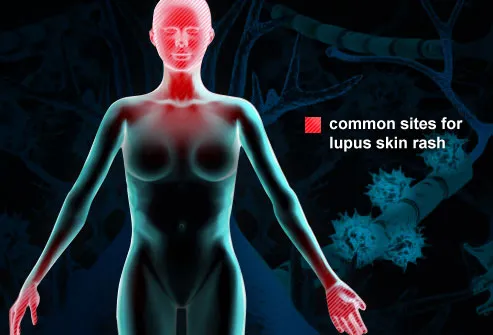

High Burden of Premature Arteriosclerosis on Renal Biopsies in Incident Lupus Nephritis
IN THE NEWS
"Cardiovascular disease (CVD) is accelerated in patients with systemic lupus erythematosus (SLE) and lupus nephritis (LN). Despite the literature suggesting renal arteriosclerosis predicts CVD in other glomerulonephritis diseases, arteriosclerosis grading and reporting might be particularly overlooked in LN biopsies."
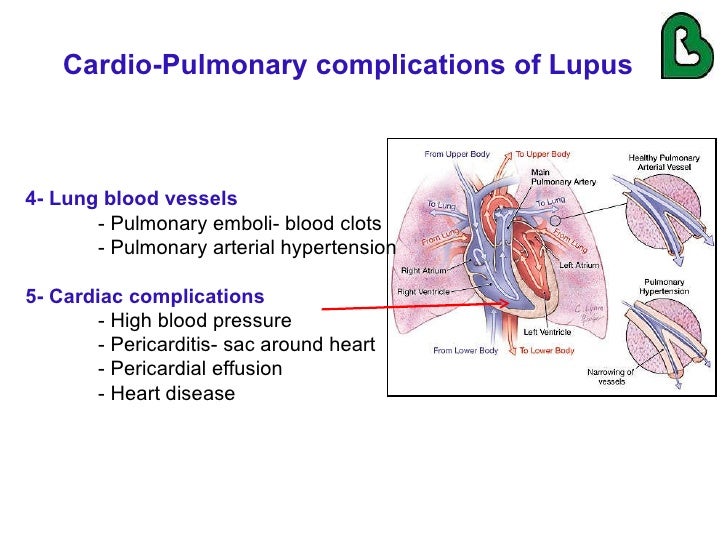
How does lupus affect white blood cells?
IN THE NEWS
How does lupus affect white blood cells?
"Leukopenia and neutropenia are very common in active lupus, "
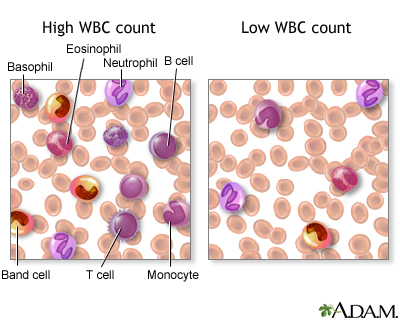
"Leukopenia and neutropenia are very common in active lupus, "

US NEWS &WORLD REPORT--Signs of Lupus in Women
IN THE NEWS
Signs of Lupus in Women
"ANYONE CAN HAVE LUPUS, but the fact is that women have more than their fair share of this autoimmune condition. In the U.S., an estimated 1 million to 1.5 million people have lupus, and women account for about 90% of lupus diagnoses."

Signs of Lupus in Women
"ANYONE CAN HAVE LUPUS, but the fact is that women have more than their fair share of this autoimmune condition. In the U.S., an estimated 1 million to 1.5 million people have lupus, and women account for about 90% of lupus diagnoses."
Lupus News Today--Lupus Lessons: What Currencies Run Your Life?
IN THE NEWS
Lupus Lessons: What Currencies Run Your Life?
"Lupus is the giver of many lessons, and one of the most important lessons it taught me was how to value the things in my life."
"Lupus is the giver of many lessons, and one of the most important lessons it taught me was how to value the things in my life."
Saturday, March 3, 2018
White blood cells, Sjogren's Syndrome Lupus and Renal Tubular Acidosis
Monocytes are a type of white blood cell developed in bone marrow and matured in the blood.They are called phagocytic because they are a type of cell capable of engulfing and absorbing bacteria and other small cells and particles. They have receptors on them to detect bacteria or other foreign matter. After they attack and engulf bacteria they go to lymph glands and display the remains to the lymphocytes so that the immune system then recognizes it as an invader.
Phagocytes also are important in apoptosis. Apoptosis is when a cell either dies from natural causes or from some injury or disease. When a cell dies phagocytes get rid of them by absorbing them the same way they do foreign cells. One of the effects of Lupus is premature apoptosis of cells.
There should be a balance between cells dying and new cells being created. But with lupus, the balance is off. This plays into why people with SLE have anemia and bleeding issues.
Phagocytes can communicate with other cells by producing chemicals called cytokines, which recruit other phagocytes to the site of infections or stimulate dormant lymphocytes.
Whereas phagocytes attack any invader, lymphocytes make antibodies against specific invaders.
Sjogren's Syndrome is caused by infiltration of monocytes and B-lymphocytes in epithelial glandular and extra-glandular tissues. I think this infiltration refers to the fact that monocytes are usually in the tissue of the body somewhere. They will move from one place to another in the body through the bloodstream, but usually don't stay in the blood.
When Sjogren's patients have kidney involvement, it can cause renal tubular acidosis type I (RTA I), tubulointerstitial nephritis, diabetes insipidus (DI), nephrolithiasis, and Fanconi syndrome.
For the purpose of understanding, monocytes are white blood cells that are embedding in certain cells and because they are phagocytes, the cause cell damage in organs. In the case of Sjogren's, it is the epithelial cells on the outside of blood vessels and organs. They are there to be a protective layer, for secretion or absorption or sensing. All glands are made of epithelial cells.
So if a salivary gland is infiltrated, it would become damaged and eventually not be able to secrete saliva.
The inability of the kidney either to excrete sufficient net acid or to retain sufficient bicarbonate results in a group of disorders known as renal tubular acidosis RTAs. RTA is a medical condition that involves an accumulation of acid in the body due to a failure of the kidneys to appropriately acidify the urine.
As in Sjogren's Syndrome, RTA in SLE Lupus is rare. If it is present, it likely represents the consequence of significant tubulointerstitial damage, which should signal the need for rapid treatment of the underlying lupus nephritis to avoid future renal insufficiency.
In the setting of a hyperkalemic normal anion gap metabolic acidosis and a urine pH less than5.5, the clinician should have a high index of suspicion for the presence of type 4 RTA.
Conversely, a diagnosis of incomplete type 1 RTA may be entertained in patients with hyperkalemia
and a urine pH which is persistently greater than 5.5.
The word acidosis refers to the tendency for RTA to cause an excess of acid, which lowers the blood's pH. When the blood pH is below normal (7.35), this is called acidemia. The metabolic acidosis caused by RTA is a normal anion gap acidosis.
White blood cells can create antibodies that attach to bits of your DNA from a worn out cell. This attached pair is called an immune complex. It can lodge in your kidney and cause inflammation.Thisis called lupus nephritis.
High monocytes indicate autoimmune activity or infection.
Low levels of lymphocytes or lymphocytopenia is also an indication of
autoimmune activity or infection. In Lupus, it is caused by the body making antibodies against lymphocytes.
Low albumin is also associated with chronic inflammation.
Low albumin is also commonly seen when the kidney leaks protein in the urine when it is
inflamed in lupus (nephritis).
Low platelets are a symptom of lupus too.(https://www.lupusuk.org.uk/wp-content/uploads/2015/10/8.-Blood-Disorders.pdf)
Symptoms of RTA include:
Regardless of whether it is SLE or SS that causes RTA, steroids, and immunosuppressants
are the treatment.
https://www.patientpower.info/video/eosinophils-basophils-and-monocytes-what-do-these-lab-results-mean
https://www.healthline.com/health/eosinophil-count-absolute
https://www.patientpower.info/video/lymphocytes-and-your-lab-tests-why-are-they-important
https://www.patientpower.info/video/the-significance-of-white-blood-cells-and-your-lab-tests
https://www.healthline.com/health/blood-differential#4
https://en.wikipedia.org/wiki/Renal_tubular_acidosis
Phagocytes also are important in apoptosis. Apoptosis is when a cell either dies from natural causes or from some injury or disease. When a cell dies phagocytes get rid of them by absorbing them the same way they do foreign cells. One of the effects of Lupus is premature apoptosis of cells.
There should be a balance between cells dying and new cells being created. But with lupus, the balance is off. This plays into why people with SLE have anemia and bleeding issues.
Phagocytes can communicate with other cells by producing chemicals called cytokines, which recruit other phagocytes to the site of infections or stimulate dormant lymphocytes.
Whereas phagocytes attack any invader, lymphocytes make antibodies against specific invaders.
Sjogren's Syndrome is caused by infiltration of monocytes and B-lymphocytes in epithelial glandular and extra-glandular tissues. I think this infiltration refers to the fact that monocytes are usually in the tissue of the body somewhere. They will move from one place to another in the body through the bloodstream, but usually don't stay in the blood.
When Sjogren's patients have kidney involvement, it can cause renal tubular acidosis type I (RTA I), tubulointerstitial nephritis, diabetes insipidus (DI), nephrolithiasis, and Fanconi syndrome.
For the purpose of understanding, monocytes are white blood cells that are embedding in certain cells and because they are phagocytes, the cause cell damage in organs. In the case of Sjogren's, it is the epithelial cells on the outside of blood vessels and organs. They are there to be a protective layer, for secretion or absorption or sensing. All glands are made of epithelial cells.
So if a salivary gland is infiltrated, it would become damaged and eventually not be able to secrete saliva.
The inability of the kidney either to excrete sufficient net acid or to retain sufficient bicarbonate results in a group of disorders known as renal tubular acidosis RTAs. RTA is a medical condition that involves an accumulation of acid in the body due to a failure of the kidneys to appropriately acidify the urine.
As in Sjogren's Syndrome, RTA in SLE Lupus is rare. If it is present, it likely represents the consequence of significant tubulointerstitial damage, which should signal the need for rapid treatment of the underlying lupus nephritis to avoid future renal insufficiency.
In the setting of a hyperkalemic normal anion gap metabolic acidosis and a urine pH less than5.5, the clinician should have a high index of suspicion for the presence of type 4 RTA.
Conversely, a diagnosis of incomplete type 1 RTA may be entertained in patients with hyperkalemia
and a urine pH which is persistently greater than 5.5.
The word acidosis refers to the tendency for RTA to cause an excess of acid, which lowers the blood's pH. When the blood pH is below normal (7.35), this is called acidemia. The metabolic acidosis caused by RTA is a normal anion gap acidosis.
White blood cells can create antibodies that attach to bits of your DNA from a worn out cell. This attached pair is called an immune complex. It can lodge in your kidney and cause inflammation.Thisis called lupus nephritis.
High monocytes indicate autoimmune activity or infection.
Low levels of lymphocytes or lymphocytopenia is also an indication of
autoimmune activity or infection. In Lupus, it is caused by the body making antibodies against lymphocytes.
Low albumin is also associated with chronic inflammation.
Low albumin is also commonly seen when the kidney leaks protein in the urine when it is
inflamed in lupus (nephritis).
Low platelets are a symptom of lupus too.(https://www.lupusuk.org.uk/wp-content/uploads/2015/10/8.-Blood-Disorders.pdf)
Symptoms of RTA include:
- Gastrointestinal problems like, decreased appetite, vomiting and abdominal pain
- Vasodilation of peripheral arterioles which can cause shock
- Urine that is more alkaline than normal, which causes hypercalciuria, calcium oxylate in the urine and kidney stones.
- hyperchloremia
Regardless of whether it is SLE or SS that causes RTA, steroids, and immunosuppressants
are the treatment.
https://www.patientpower.info/video/eosinophils-basophils-and-monocytes-what-do-these-lab-results-mean
https://www.healthline.com/health/eosinophil-count-absolute
https://www.patientpower.info/video/lymphocytes-and-your-lab-tests-why-are-they-important
https://www.patientpower.info/video/the-significance-of-white-blood-cells-and-your-lab-tests
https://www.healthline.com/health/blood-differential#4
https://en.wikipedia.org/wiki/Renal_tubular_acidosis
How Lupus Attacks Immune System? - Manipal Hospital
Apoptosis and Microparticles in the Origination and Development of Lupus
Monday, April 17, 2017
WHAT YOU SHOULD LOOK FOR IN A BODY LOTION
WHAT YOU SHOULD LOOK FOR IN A BODY LOTION

People with autoimmune diseases have a particularly hard time keeping their skin moisturized and protected. And people with Sjogren's Syndrome have an even harder time because their body doesn't produce moisture to start with.
All of the options in the moisturizer aisle can seem overwhelming. They all make claims about what they will do for you. But there are particular ingredients you need to look for. I don't like to just go by advertising or word of mouth. I want to know what is in any products I use and they science behind it. I suppose that is because my Father was a chemist who worked until he retired at Proctor and Gamble. He often discussed with me the products that they made and why they were superior to others at the time. When I was a teenager, I actually tested out some of their products before they were on the market as a volunteer.
The following information on the difference between creams, lotions, and ointments come from the website of the National Eczema Association. They have a list of approved moisturizers there.
OINTMENTS
Ointments are semi-solid greases that help to hydrate the skin by preventing water loss. Petroleum jelly has no additional ingredients, whereas other ointments contain a small proportion of water or other ingredients to make the ointment more spreadable. Ointments are very good at helping the skin retain moisture but they are often disliked because of their greasiness.
CREAMS
Creams are thick mixtures of greases in water or another liquid. They contain a lower proportion of grease than ointments, making them less greasy. A warning: creams often contain stabilizers and preservatives to prevent separation of their main ingredients, and these additives can cause skin irritation or even allergic reactions for some people.
LOTIONS
Lotions are mixtures of oil and water, with water being the main ingredient. Most lotions do not function well as moisturizers for people with dry skin conditions because the water in the lotion evaporates quickly.
Ingredients
Ingredients fall into three categories. Humectants such as glycerin and urea absorb water from the air and hold moisture in the skin. Other humectant ingredients to look for are hyaluronic acid, alpha-hydroxy acids, sorbitol, propylene glycerol, and sodium lactate. Emollients like mineral oil, lanolin and petrolatum fill spaces between skin cells to replace lipids and smooth and lubricate the rough skin. Other emollients to look for are jojoba oil, isopropyl palmitate, propylene glycol linoleate, squalene and glycerol stearates.Occlusives such as petroleum jelly and cocoa butter, are oily substances and they form a film on the top of skin which seals in cracks and prevents moisture from escaping.
Water: This is the main ingredient of moisturizers, and it serves to carry oil-based ingredients onto and into the skin, but oil-based ingredients also help lock water into the skin
Ceramides
Ceramides are waxy lipid molecules that are found in skin cell membranes that help prevent moisture loss. They are involved in things like programmed cell death of cells. Ceramides in your moisturizer will help maintain and repair your skin barrier, so that moisture stays sealed in and it helps your body's natural moisture defenses. That is especially important for people who have eczema and psoriasis because studies have found that they have fewer ceramides than people who have normal healthy skin.
Cerave, as the name implies has ceramides in it. It also has Dimethicone, Hyaluronic Acid, Glycerine.
If you follow this link you can get a coupon for it from their website: Cerave Coupon The Itch Relief type also contains Pramoxine Hydrochloride which is an external analgesic, Shea Butter, Tasmannia Lanceolata Fruit Extract,
Curel says it has a proprietary ceramide-rich formula.
Peptides
Peptides are chains of amino acids. Amino acids include the 22 proteinogenic ("protein-building") amino acids, that combine into peptide chains ("polypeptides") which form the building-blocks of proteins. In this case, the peptides and amino acids are involved in building proteins in the skin.
Products that contain short chain amino acids can penetrate the top layer of skin and stimulate the cell production.
Collagen is an important protein in skin. It is involved in the thickness and pliability(stretchiness) of skin. Collagen breaks down for things like environmental factors (sun and stress, chemical exposure) and age. This causes wrinkles. Peptides stimulate the production of collagen thereby reducing wrinkles
Elastin has the ability to stretch and return to its original length—like a spring or rubber band. Elastin is the major component of ligaments (tissues that attach bone to bone) and skin. In people who have connective tissue disease, it is common for collagen and elastin to become injured by inflammation. So if you have MCTD or SLE Lupus or Sjogren's Syndrome, Scleroderma, Rheumatoid Arthritis, or Psoriatic Arthritis your collagen is probably not functioning properly.
If a product has that in it, it's probably something we could use.
Hyaluronic Acid
Hyaluronic Acid works by binding to moisture. It can hold up to 1,000 times its weight in water, making it an excellent natural skin plumper. Hyaluronic acid helps your skin repair and regenerate itself after suffering from dryness, environmental stresses, or irritation. It helps the collagen and elastin in your skin stay moist and helps it to keeps it elasticity. It is also lightweight and isn't oily, which is good if you are acne-prone.
Fatty Acids
Fatty acids come in things like Olive oil, avocado, almond oil, and shea butter which are essential fatty acids that help lock in moisture. Your body needs fatty acids for fuel to do things like produce moisture. But it doesn't produce it on its own, so you have to either ingest it or apply it topically. Foods that have Omega-3 fatty acids in them are things like salmon, mackerel, walnuts, soy, flaxseed, and safflower oil. I take a supplement that combines fish oil, flaxseed oil and borage oil in it.
Glycerin
Glycerin is a simple polyol compound derived from sugar alcohol. It is colorless and odorless. Glycerin and glycols help to retain water in a product, in hair or the top layers of skin by drawing moisture in and then retain it. Glycerin can actually absorb moisture from the air.
Ethylhexyl glycerin
Ethylhexyl glycerin (oct oxy glycerin) is a topical skin care ingredient and deodorizing agent, often indicated as a conditioning ointment in the treatment of eczema. As its name suggests Ethylhexyl glycerin is made using glycerin.
Sodium PCA,
Sodium PCA is used in lotions and hair care products because it is naturally in skin cells and it binds to water in cells and that means it is great for water absorption.
Caprylic/Capric Triglycerides
Caprylic/Capric Triglycerides is a mixed triester derived from coconut oil and glycerin. It comes in the form of an oily liquid and is sometimes mistakenly referred to as fractionated coconut oil. Caprylic mainly works as an emollient, dispersing agent and solvent.)
Piroctone Olamine
Piroctone Olamine is used to treat skin conditions and dandruff. It is an antifungal.
Licochalcone
Locochalcone is a molecule contained in licorice root extract which helps control oil production and is anti-bacterial as well as anti-inflammatory. In short, it helps calm and soothes skin.
Dimethicone
Dimethicone is used as a moisturizer to treat or prevent dry, rough, scaly, itchy skin and minor skin irritations (e.g., diaper rash, skin burns from radiation therapy). It softens and moisturizes the skin and decreases itching and flaking.

Triethanolamine (TEA)
Triethanolamine (TEA)This emulsifier
helps to blend the oil/water mix that makes up moisturizer.
Vitamin A
Vitamin A is usually in the form of retinol or retinoic acid in
moisturizers. It is anti-aging. It works by stimulating collagen
production, which fills in lines and wrinkles
Vitamin C & vitamin E
Vitamin C & vitamin E are
antioxidants and they help repair cellular damage caused by sun,
pollution and free radicals that are created during oxygenation.
Magnesium Aluminum
Magnesium Aluminum Silicate is a naturally occurring mineral derived from refined and purified clay that is used primarily as a thickener in cosmetics and beauty products. It is an off-white powder used in the pharmaceutical manufacturing process as an absorbent; anticaking agent; opacifying agent; slip modifier; and an aqueous viscosity increasing agent. But magnesium is considered as ”the mineral of beauty” in traditional Chinese medicine. Magnesium deficiency results in lower levels of fatty acids on the skin. This results in less elasticity and moisture and that, in turn, causes dryness and inflammation. If you take magnesium to boost the levels in your cells, it helps protect the cells and detoxifies them and encourages healthy skin tissue growth. It helps in DNA replication and repair. It also prevents free radical damage and inflammation.
In a 2007 study cited in the “American Journal of Clinical Nutrition,” Magnesium was discovered to help reduce inflammation caused by an excess amount of E-selectin and C-reactive protein.
When the skin is injured or damaged or when acne-causing bacteria enter the skin, E-selectin is produced. This results in acne inflammation. Magnesium helps reduce E-selectin’s effects and prevents the inflammation.
Magnesium aluminum is sometimes called Kaolin or China Clay.
At the Skin Store website I found this:
“Kaolin (also know as China clay, hectorite or magnesium silicate) is a naturally occurring soft clay. In cosmetics, kaolin helps to cleanse and exfoliate dead skin cells and debris from the surface. It adds absorbency, texture, and bulk to cleansers.
...Because it’s safe nature and has great absorbency and soothing properties, it’s quite the popular ingredient in formulas designed to purify
Kaolin wages war on acne and breakout-prone skin by improving the skin’s balance and decreasing levels of pore-clogging oils, dirt and toxins. General skin inflammation, caused by the usual environmental factors can also be addressed with kaolin cleansers. Kaolin increases circulation to the impacted areas of skin, helping to stimulate healing and to reduce irritation. Using a cleanser that contains kaolin prior to applying makeup can help to control oil production and prevent unwanted shine.”http://www.skinstore.com/blog/skincare/beauty-glossary-kaolin/
Eczema is associated with a magnesium deficiency. If you have a deficiency of magnesium your body will produce histamines. Those histamines will cause you to be itchy and have red blotches or hives on your skin. They are caused by blood vessel swelling that causes fluid to leak into the skin and other tissues.
Taking supplements gives some people diarrhea. But if you can take it, it helps avoid kidney stones and calcification in the joints too. It also good for circulation and high blood pressure. Doses less than 350 mg daily are safe for most adults. When taken in very large amounts, magnesium is POSSIBLY UNSAFE. Large doses might cause too much magnesium to build up in the body, causing serious side effects including an irregular heartbeat, low blood pressure, confusion, slowed breathing, coma, and death. Magnesium strengthens bones; maintains nerve and muscle function; regulates heart rhythm and blood sugar levels, and helps maintain joint cartilage.http://www.arthritis.org/living-with-arthritis/treatments/natural/vitamins-minerals/guide/magnesium.php
I know some people apply magnesium oil directly to their skin. But I don't know about the safety of it.
Vaseline, Intensive Care, Cocoa Radiant, With Pure Cocoa Butter, Non-Greasy Lotion is one of my stand-bys. It has Glycerin, Triethanolamine, Dimethicone, magnesium aluminum, shea butter and cocoa butter in it. And of course vaseline.
Eucerin Calming Cream and the Eucerin Eczema Relief Body Creme is good lotion it has Oatmeal, Ceramides, Caprylic/Capric Triglycerides, Castor oil, Piroctone Olamine, Licochalcone, Ethylhexylglycerin.
"Moist" Is A Disgusting Word - Here's Why
SUNSCREENS
After you have considered all of the other ingredients, don't forget the sunscreen. You need an SPF of at least 30. I happen to think people with Lupus SLE and Sjogren's should use the highest they can get. If it isn't in your moisturizer, you may have to use a separate one. I have some for sensitive skin that I use and that have pretty high SPFs.
I haven't tried it but just by virtue of the fact that it also hydrates this one seems promising.
And since I know the spray on is good, I might try these:
Neutrogena Healthy Defense Daily Moisturizer For Sensitive Skin With Broad Spectrum Spf 30 Sunscreen
A facial moisturizer with an SPF 50 seems like a pretty good idea. I love my Oil of Olay products, but as far as SPF is concerned, I think this is the highest SPF. Olay Complete Daily Defense All Day Moisturizer With Sunscreen SPF30 Sensitive Skin
If you have ever given birth then you are probably familiar with Palmer's Cocoa Butter products for stretch marks. But they make products for your face now and they are excellent. If they can help with stretch marks they have got to be doing something right. If you compare the ingredients to the ones listed above, you can see that they are very good for your skin. And I have some of them and they worked pretty well. I used the serum and day cream in the day and the night cream, obviously at night during a time that my face was super dry.
They have an SPF 15. Some of them say they promote collagen production and they contain antioxidants, a peptide complex, and vitamins A, B1, B2, B3, C and E. It depends on the individual product. Among other ingredients they contain, Hydrogenated Palm Glycerides, Theobroma Cacao (Cocoa)Seed Butter, Dimethicone, Butyrospermum Parkii (Shea) Butter, Oenothera Biennis (Evening Primrose) Flower Extract, Aloe Barbadensis Leaf Juice, Hydrolyzed Milk Protein, Glycerin, Triethanolamine. The night cream contains Natural Cocoa Butter, Retinol and Antioxidant Vitamin E.
They also have a gel oil for the body with an SPF 15 and cocoa butter, vitamin E, shea butter, jojoba oil. Palmer's Formula Moisturizing Gel Oil, Cocoa Butter, SPF 15
Last but not least I just discovered a new moisturizer line that sounds interesting. Garnier SkinActive Moisture Bomb “WATER-LIGHT FORMULAS. ANTIOXIDANT-PACKED HYDRATION.
Including formulas that feature goji berry and pomegranate, our refreshing gel cream, SPF 30 lotion, and all new super hydrating sheet masks blast dryness away, flooding skin with long-lasting hydration for a softer, healthier-looking complexion.”
Lupus, The Skin & Hair - Dr Abby Macbeth
Friday, April 14, 2017
What is Raynaud's (ray-NOHDZ) disease?
What is Raynaud's (ray-NOHDZ) disease?


It is a condition that causes some of the areas of your body, usually but not always the extremities, such as your fingers and toes — to feel numb and cold when they become cold. Stress can also cause symptoms. When you have Raynaud's disease the smaller arteries which supply blood to your skin narrow, decreasing the blood flow to affected areas. This is called vasospasm.
More women than men have Raynaud's disease. It is also called Raynaud's phenomenon or syndrome. People who have it usually just say, “Raynaud's” without the other descriptive words. People who live in colder climates are more likely to have it.
If you have Raynaud's, your treatment is largely dependent upon how severe it is and also any other conditions you may have. It isn't usually life threatening, but it does affect how you live on a day to day basis.
Simple things can bring on an attack, like digging around in your freezer for that roast you know is in there somewhere. It doesn't take long for your hands to turn colors and hurt. And it gets worse when you take your hands out of the freezer and the circulation comes back into them. Other things like going out into the cold or putting your hands into cold water can cause the same symptoms.

Some of the symptoms include:
Cold fingers or toes
Color changes in your skin in response to cold or stress
Numb, prickly feeling or stinging pain upon warming or stress relief
Your fingers or toes get cold and then they turn white. Then they progress to blue and start to feel numb and cold. And then when you seek to warm them up, and the circulation starts to come back into them, they become painful, with throbbing and tingling and they turn red. Some people like me don't have all three color changes. I usually don't turn blue. But that may be because I avoid getting my hands and feet cold. They may never get cold enough to cause the change from white to blue. But I have had them do that years ago. It can take as much as 15 minutes for the blood flow in an affected area to return to normal.
There are other areas of the body besides the fingers and toes that can be affected by Raynaud's. Your ears, lips, and nose can be affected. Raynaud's can even affect the internal organs. And even more embarrassing areas like your nipples and your rear end. Yes, now you can tell your husband that “turkey butt” is a medical condition and you can't help it.
I purposefully chose photographs that don't look too severe. Not everyone looks like they are ready for amputation when they have an attack of Raynaud's and if you look at the severe cases you might not recognize it in yourself. If you have bad discoloration you can google it and come up with photos.


The exact cause of Raynaud's hasn't been determined yet. Something causes the blood vessels in the hands and feet to overreact to cold temperatures or stress. This overreaction is called vasospam. During vasospasm the arteries that supply blood to your fingers and toes spasm due to cold exposure or stress and narrow which causes a decrease in the blood supply. This eventually causes the arteries to thicken which further limits the blood flow.
Raynaud's phenomena in real time.
There are two classifications of Raynaud's.
PRIMARY RAYNAUD'S
It is also called Raynaud's disease and it's usually isn't caused by some other medical condition. It usually begins earlier in life than Secondary Raynaud's between 15-30 years of age. There seems to be a genetic predisposition to Primary Raynaud's. Approximately 1/3 of patients with Primary Raynaud's have a parent, sibling or child who also has it the disorder.
SECONDARY RAYNAUD'S
It is also called Raynaud's phenomenon and is less common than Primary Raynaud's. and it usually is caused by something else. It is usually more serious. Onset is usually around the age of 40.
There are two main types of the condition.
Things that cause Secondary Raynaud's are Connective tissue diseases like Scleroderma, Rheumatoid Arthritis, Sjogren's syndrome, and Lupus. Scleroderma can cause a hardening or thickening of the blood vessels. Sjogren's, Lupus and RA cause inflammation of the nerves that cause the blood vessels to constrict. Up to 1/3 of Lupus patients have Raynaud's. And 15-30% of Sjogren's patients have Raynaud's. I have both Lupus and Sjogren's so it was probably inevitable that I would have Raynaud's.

Hardening of the arteries also called atherosclerosis and high blood pressure in the lungs called primary pulmonary hypertension also cause Raynaud's. These things can be exacerbated by smoking because it causes the blood vessels to constrict.

If you have Carpel tunnel syndrome causes numbness and pain in your hands due to pressure on the nerves. This can cause your hands to be susceptible to temperature changes and lead to Raynaud's. Operating tools which vibrate can cause you to develop Secondary Raynaud's.
Raynaud's disease is also associated with dysautonomia. With regard to Postural Orthostatic Tachycardia, Neurocardiogenic Syncope and Orthostatic Hypotension, an interview on Dysautonomia International had this to say: “We do not know how many POTS, NCS or OH patients have APS, but Dysautonomia International recently funded a research project designed by Dr. Svetlana Blitshteyn to try to shed some light on the topic of autoimmune markers and autoimmune conditions in patients with POTS. Dysautonomia International will make an announcement when Dr. Blitshetyn’s study results are released.” And in the article, it says that Raynaud's disease is a symptom of Antiphospholipid Syndrome. So you can say that Raynaud's is associated with dysautonomia.What Dysautonomia Patients Should Know About Antiphospholipid Syndrome Postural Orthostatic Tachycardia SyndromeA Dermatologic Perspective and Successful Treatment with Losartan
That's not too surprising. People with dysautonomia and POTS have problems regulating temperature in general and blood flow problems because of inadequate pressure in the blood vessels. And POTS, like Raynaud's disease, is associated with autoimmune diseases.
Causes
Beta blockers, migraine medications, ADD/HD medication, and cold medications can all cause Raynaud's or make it worse because they cause constriction of the blood vessels.
There are also some chemicals that can cause Secondary Raynaud's.
It can become severe enough that you need to seek medical help. You definitely need to see a doctor if you get a sore on one of the areas affected so that you don't end up with an infection and lose an appendage.

Some people have a permanent reduction or blood flow which causes their fingers and toes to become deformed. If a complete blockage of an artery occurs, you can get skin ulcerations and ultimately gangrene, which is why it is important to see a doctor if you get a sore on an affected area to avoid having an amputation.
Treatments
There are things you can do for Raynaud's. Wearing warm clothes, socks and gloves in cold weather are essential. Ear muffs and masks and scarves to keep your nose warm are also good ideas. Some people wear the socks and gloves when they are sleeping. And the gloves come in handy when you have to get into the freezer, but I personally never remember to do it. Avoid getting cold in the first place. Smoking is a no-no. Avoid stress because it can bring on an attack. And exercise increases circulation.
If you get cold, go inside and warm up. Two things that you should do are almost instinctive for people to do. Wiggling your fingers and toes and rubbing them to get them warm. You can also put your hands in your armpits and swing your arms to increase blood flow. You can run warm water over them too. Just don't get the water too hot.
Medications
And there are medications that help.
Calcium Channel Blockers relax the small blood vessels which help avoid the vasospasms. Common drugs in this class are Procardia, Norvasc, and Verapamil and Nifedipine.
Alpha blockers like prazosin and Cardura work by counteracting noradrenaline also called norepinephrine. This hormone causes blood vessels to constrict.
Vasodilators Nitroglycerin works as a vasodilator and comes in a cream and will facilitate the healing of ulcers. Losartan, which is a high blood pressure medication, and Viagra, as well as antidepressants like fluoxetine, can help treat Raynaud's.
Fish oil has fatty acids in that are supposed to make you less susceptible to cold. Studies have shown that it didn't help people who have Secondary Raynaud's. You have to be careful when taking high doses of fish oil because it acts as a blood thing and increases your risk of bleeding, particularly if you take blood thinners, like as warfarin (Coumadin), clopidogrel (Plavix), or aspirin. Discuss it with your doctor.
Gingko is also supposed to be helpful by opening up the blood vessels. One study showed that Raynaud's patients had less pain if they took 160 mg of ginkgo per day. DO NOT take ginkgo if you have a history of seizures. Ginkgo can also increase risk of bleeding, especially if you take blood thinners. Talk to your doctor.
Evening primrose oil also contains a type of fatty acid which keeps your body from making chemicals that narrow blood vessels. Studies have shown that taking Evening primrose oil will lessen the severity of attacks as well as the frequency. EPO can make seizures worse in people who already have them and they shouldn't take it. And just like fish oil, there is a risk of bleeding with it.
There is a form of vitamin B3(niacin) called Inositol hexaniacinate. It may reduce the number of Raynaud's attacks. But it requires high doses and needs to be monitored by a doctor.
Taking Magnesium supplements opens the blood vessels, but there haven't been any studies to show if it works. Some people get diarrhea from taking it, so take it with a meal to help avoid this problem. It can also interfere with some medications like high blood pressure medication and antibiotics, so your doctor needs to be aware if you are taking it.
Biofeedback to lessen the effects of stress on your body may help lessen the frequency of attacks. Accupuncture is another treatment option that helps by improving blood flow to the affected areas. There is also a specific kind of biofeedback called Thermal Biofeedback that studies have shown works.
Surgery and injections
When lifestyle changes and medication don't help enough, sometimes things like surgery and injections of chemicals are the next line of treatment.
There are nerves in your feet and hands that control vasoconstriction and dilation. There is a surgery called a sympathectomy, in which these nerves around your blood vessels in your hands or feet are cut to stop the over-constriction. For some people it is helpful.
Botox injections can also block the sympathetic nerves and block the over-constricion.
For more information visit this link for a guide to Raynaud's
Raynaud’s Guide: The Cold Facts on Raynaud’s
These are links to my sources:
http://www.mayoclinic.org/diseases-conditions/raynauds-disease/basics/definition/con-20022916
http://www.umm.edu/health/medical/altmed/condition/raynauds-phenomenon


It is a condition that causes some of the areas of your body, usually but not always the extremities, such as your fingers and toes — to feel numb and cold when they become cold. Stress can also cause symptoms. When you have Raynaud's disease the smaller arteries which supply blood to your skin narrow, decreasing the blood flow to affected areas. This is called vasospasm.
More women than men have Raynaud's disease. It is also called Raynaud's phenomenon or syndrome. People who have it usually just say, “Raynaud's” without the other descriptive words. People who live in colder climates are more likely to have it.
If you have Raynaud's, your treatment is largely dependent upon how severe it is and also any other conditions you may have. It isn't usually life threatening, but it does affect how you live on a day to day basis.
Simple things can bring on an attack, like digging around in your freezer for that roast you know is in there somewhere. It doesn't take long for your hands to turn colors and hurt. And it gets worse when you take your hands out of the freezer and the circulation comes back into them. Other things like going out into the cold or putting your hands into cold water can cause the same symptoms.

Some of the symptoms include:
Cold fingers or toes
Color changes in your skin in response to cold or stress
Numb, prickly feeling or stinging pain upon warming or stress relief
Your fingers or toes get cold and then they turn white. Then they progress to blue and start to feel numb and cold. And then when you seek to warm them up, and the circulation starts to come back into them, they become painful, with throbbing and tingling and they turn red. Some people like me don't have all three color changes. I usually don't turn blue. But that may be because I avoid getting my hands and feet cold. They may never get cold enough to cause the change from white to blue. But I have had them do that years ago. It can take as much as 15 minutes for the blood flow in an affected area to return to normal.
There are other areas of the body besides the fingers and toes that can be affected by Raynaud's. Your ears, lips, and nose can be affected. Raynaud's can even affect the internal organs. And even more embarrassing areas like your nipples and your rear end. Yes, now you can tell your husband that “turkey butt” is a medical condition and you can't help it.
I purposefully chose photographs that don't look too severe. Not everyone looks like they are ready for amputation when they have an attack of Raynaud's and if you look at the severe cases you might not recognize it in yourself. If you have bad discoloration you can google it and come up with photos.


The exact cause of Raynaud's hasn't been determined yet. Something causes the blood vessels in the hands and feet to overreact to cold temperatures or stress. This overreaction is called vasospam. During vasospasm the arteries that supply blood to your fingers and toes spasm due to cold exposure or stress and narrow which causes a decrease in the blood supply. This eventually causes the arteries to thicken which further limits the blood flow.
Raynaud's phenomena in real time.
There are two classifications of Raynaud's.
PRIMARY RAYNAUD'S
It is also called Raynaud's disease and it's usually isn't caused by some other medical condition. It usually begins earlier in life than Secondary Raynaud's between 15-30 years of age. There seems to be a genetic predisposition to Primary Raynaud's. Approximately 1/3 of patients with Primary Raynaud's have a parent, sibling or child who also has it the disorder.
SECONDARY RAYNAUD'S
It is also called Raynaud's phenomenon and is less common than Primary Raynaud's. and it usually is caused by something else. It is usually more serious. Onset is usually around the age of 40.
There are two main types of the condition.
Things that cause Secondary Raynaud's are Connective tissue diseases like Scleroderma, Rheumatoid Arthritis, Sjogren's syndrome, and Lupus. Scleroderma can cause a hardening or thickening of the blood vessels. Sjogren's, Lupus and RA cause inflammation of the nerves that cause the blood vessels to constrict. Up to 1/3 of Lupus patients have Raynaud's. And 15-30% of Sjogren's patients have Raynaud's. I have both Lupus and Sjogren's so it was probably inevitable that I would have Raynaud's.

Hardening of the arteries also called atherosclerosis and high blood pressure in the lungs called primary pulmonary hypertension also cause Raynaud's. These things can be exacerbated by smoking because it causes the blood vessels to constrict.

If you have Carpel tunnel syndrome causes numbness and pain in your hands due to pressure on the nerves. This can cause your hands to be susceptible to temperature changes and lead to Raynaud's. Operating tools which vibrate can cause you to develop Secondary Raynaud's.
Raynaud's disease is also associated with dysautonomia. With regard to Postural Orthostatic Tachycardia, Neurocardiogenic Syncope and Orthostatic Hypotension, an interview on Dysautonomia International had this to say: “We do not know how many POTS, NCS or OH patients have APS, but Dysautonomia International recently funded a research project designed by Dr. Svetlana Blitshteyn to try to shed some light on the topic of autoimmune markers and autoimmune conditions in patients with POTS. Dysautonomia International will make an announcement when Dr. Blitshetyn’s study results are released.” And in the article, it says that Raynaud's disease is a symptom of Antiphospholipid Syndrome. So you can say that Raynaud's is associated with dysautonomia.What Dysautonomia Patients Should Know About Antiphospholipid Syndrome Postural Orthostatic Tachycardia SyndromeA Dermatologic Perspective and Successful Treatment with Losartan
That's not too surprising. People with dysautonomia and POTS have problems regulating temperature in general and blood flow problems because of inadequate pressure in the blood vessels. And POTS, like Raynaud's disease, is associated with autoimmune diseases.
Causes
Beta blockers, migraine medications, ADD/HD medication, and cold medications can all cause Raynaud's or make it worse because they cause constriction of the blood vessels.
There are also some chemicals that can cause Secondary Raynaud's.
It can become severe enough that you need to seek medical help. You definitely need to see a doctor if you get a sore on one of the areas affected so that you don't end up with an infection and lose an appendage.

Some people have a permanent reduction or blood flow which causes their fingers and toes to become deformed. If a complete blockage of an artery occurs, you can get skin ulcerations and ultimately gangrene, which is why it is important to see a doctor if you get a sore on an affected area to avoid having an amputation.
Treatments
There are things you can do for Raynaud's. Wearing warm clothes, socks and gloves in cold weather are essential. Ear muffs and masks and scarves to keep your nose warm are also good ideas. Some people wear the socks and gloves when they are sleeping. And the gloves come in handy when you have to get into the freezer, but I personally never remember to do it. Avoid getting cold in the first place. Smoking is a no-no. Avoid stress because it can bring on an attack. And exercise increases circulation.
If you get cold, go inside and warm up. Two things that you should do are almost instinctive for people to do. Wiggling your fingers and toes and rubbing them to get them warm. You can also put your hands in your armpits and swing your arms to increase blood flow. You can run warm water over them too. Just don't get the water too hot.
Medications
And there are medications that help.
Calcium Channel Blockers relax the small blood vessels which help avoid the vasospasms. Common drugs in this class are Procardia, Norvasc, and Verapamil and Nifedipine.
Alpha blockers like prazosin and Cardura work by counteracting noradrenaline also called norepinephrine. This hormone causes blood vessels to constrict.
Vasodilators Nitroglycerin works as a vasodilator and comes in a cream and will facilitate the healing of ulcers. Losartan, which is a high blood pressure medication, and Viagra, as well as antidepressants like fluoxetine, can help treat Raynaud's.
Fish oil has fatty acids in that are supposed to make you less susceptible to cold. Studies have shown that it didn't help people who have Secondary Raynaud's. You have to be careful when taking high doses of fish oil because it acts as a blood thing and increases your risk of bleeding, particularly if you take blood thinners, like as warfarin (Coumadin), clopidogrel (Plavix), or aspirin. Discuss it with your doctor.
Gingko is also supposed to be helpful by opening up the blood vessels. One study showed that Raynaud's patients had less pain if they took 160 mg of ginkgo per day. DO NOT take ginkgo if you have a history of seizures. Ginkgo can also increase risk of bleeding, especially if you take blood thinners. Talk to your doctor.
Evening primrose oil also contains a type of fatty acid which keeps your body from making chemicals that narrow blood vessels. Studies have shown that taking Evening primrose oil will lessen the severity of attacks as well as the frequency. EPO can make seizures worse in people who already have them and they shouldn't take it. And just like fish oil, there is a risk of bleeding with it.
There is a form of vitamin B3(niacin) called Inositol hexaniacinate. It may reduce the number of Raynaud's attacks. But it requires high doses and needs to be monitored by a doctor.
Taking Magnesium supplements opens the blood vessels, but there haven't been any studies to show if it works. Some people get diarrhea from taking it, so take it with a meal to help avoid this problem. It can also interfere with some medications like high blood pressure medication and antibiotics, so your doctor needs to be aware if you are taking it.
Biofeedback to lessen the effects of stress on your body may help lessen the frequency of attacks. Accupuncture is another treatment option that helps by improving blood flow to the affected areas. There is also a specific kind of biofeedback called Thermal Biofeedback that studies have shown works.
Surgery and injections
When lifestyle changes and medication don't help enough, sometimes things like surgery and injections of chemicals are the next line of treatment.
There are nerves in your feet and hands that control vasoconstriction and dilation. There is a surgery called a sympathectomy, in which these nerves around your blood vessels in your hands or feet are cut to stop the over-constriction. For some people it is helpful.
Botox injections can also block the sympathetic nerves and block the over-constricion.
For more information visit this link for a guide to Raynaud's
Raynaud’s Guide: The Cold Facts on Raynaud’s
These are links to my sources:
http://www.mayoclinic.org/diseases-conditions/raynauds-disease/basics/definition/con-20022916
http://www.umm.edu/health/medical/altmed/condition/raynauds-phenomenon

Raynaud's Awareness
Pathophysiology Raynaud's Disease
Monday, April 10, 2017
SUICIDE RISK IN CHRONIC ILLNESS AND PAIN

I've been thinking about suicide, not for myself, but suicide in the news and how suicide affects people with chronic illness. There was a recent incident in the news about an 11-year-old boy who committed suicide. When I was 12, my very first boyfriend, who was only 13, committed suicide and it colored the rest of my life. facebook-prank-leads-11-year-old-boy-commit-suicide/
My maternal grandmother was chronically ill most of her life. She eventually gave up and became catatonic. She was 1/4 Cherokee Indian and Native Americans used to go off by themselves and will themselves to die when they believed they had become a burden on their society. I believe in my heart that is what she did.
Other members of my family were bipolar and I am familiar with threats to just give up and die, quit taking medication, shoot themselves, burn down the house, etc. It's one reason I am determined never to do that to anyone if I can help it.
The areas of personal knowledge that I have come to experience with regard to chronic illness are: heart disease, diabetes, COPD, Parkinson's Disease, Crohn's Disease, Systemic Lupus Erythematosus, Sjogren's Syndrome, Chronic Kidney Disease and Kidney Failure, Postural Tachycardia Syndrome, Rheumatoid Arthritis and Osteoarthritis, Migraines, Depression, Bipolar Depression and several other illnesses.
In people with chronic illness, there doesn't have to be any clinical depression involved. People with chronic illness become suicidal because of poor quality medical care because their illness is difficult to diagnose and to treat; being told by everyone around you from doctors to friends and family that your illness and symptoms are all in your head; decreased mobility; poor memory, confusion and other cognitive function that decreases their quality of life; lack of support and love from the very people who are supposed to be there for you; and due to that, feeling isolated and alone; feeling like you are a burden; and an overall loss of hope.
“Comorbid conditions that pose risks for suicide, especially depression, are prevalent in people living with chronic pain. The true numbers of failed attempts and successful suicides are unknown and may never be determined. Yet risk factors for suicidal ideation are so high in this population that it must be assumed that some proportion of those who die of drug overdoses might have intended to end their lives, not just temporarily relieve their pain.” https://www.ncbi.nlm.nih.gov/pmc/articles/PMC3125689/
“Between 2005 and 2007, emergency department visits for drug-related suicide attempts increased by 30% and there was an overall 55% increase in opioid-related attempts.”
Those are staggering statistics when you think about it. Since those statistics were released, the United States has had a heroin epidemic. I happen to live across the Ohio River from America's Death Capitol, Huntington, WV. In America's drug death capital: How heroin is scarring the next generation
In modern society, suicide is considered to be a deviant act and believed to be a sign of severe mental illness or something done on impulse or out of despair. But for many people, committing suicide may appear to be the only way out of their situation which is causing their suffering be it mental, physical or both.
In 2007, statistics showed suicide was the 11th highest cause of death in the United States. More than 34,000 people die due to suicide and over 376,000 people visit emergency rooms due to self-inflicted injuries annually. Among those who died, one-third tested positive for alcohol and one in five showed evidence of opiates including prescription drugs and heroin.
And between 1999 and 2014, suicide rates have jumped 24%.
Among the risk factors for suicide is a family history of suicide, history of childhood abuse, previous suicide attempts and history of mental disorders, which include depression, alcohol and substance abuse, impulse disorders. aggressive behavior, isolation, loss of jobs and/or family, physical illness and access to the means to kill themselves, along with a reluctance to seek help because of the stigma that is attached to mental disorders.
People commit suicide because they see it as an easy way out and a permanent solution to a problem. They feel hopeless as if it is their only option and an escape from the emotional pain that they're in.
 CLICK ON GRAPHIC FOR LARGER VIEW

It is not hard to see that people who are living with chronic pain have much in common with these people. People with chronic pain often experience hopelessness and isolation due to that pain. Socially they experience losses that include their job roles and family roles. And then due to their pain, they are prescribed opioids. And when the pain becomes too much the opioids are handy.
Having already experienced being overlooked and ignored by the medical community because of hard to diagnose chronic illnesses, these people are often reluctant to seek psychiatric treatment. Unfortunately, many of them have already been accused of having mental problems or drug seeking tendencies, they don't want to seek treatment for their illnesses. One survey found that 50% of chronic pain patients had seriously considered committing suicide due to the pain.
“These findings highlight the importance of pain as a potentially independent risk factor for suicide, particularly among those with head pain or multiple forms of co-occurring pain. Individuals suffering from chronic pain may be particularly appropriate for suicide screening and intervention efforts.”
Studies have found that the relationship between pain and suicidal ideation are affected by sleep disorders and catastrophizing. Catastrophizing is an exaggerated and negative focus on pain that leads to depression intensifying the pain and disability. The level of depression and pain catastrophizing was a pretty good predictor of the degree of suicidal ideation and poor pain coping skills were also associated with suicide independent of the level depression and pain severity. This study found that improving sleep and pain coping skills may reduce the incidence of suicidal thoughts and attempts.
Those most at risk for suicide are people over the age of 45, women, those with a dependence on alcohol, previous suicide attempts, and previous psychiatric hospitalizations. Other factors are besides chronic illness are frequent suicidal thoughts, a lack of social support, unemployment, having been divorced, and how severe their psychiatric disorders are. Things that indicate an increased risk of suicide are: giving away personal property, a lack of future goals, making a will, and/or having experienced a recent loss.
SUICIDE AND AUTOIMMUNE DISEASE
One of the most disturbing things I read when I decided to write this was that people with high levels of inflammatory markers have high suicidal ideation. That means that people like me who have one or more autoimmune diseases and the inflammatory processes that come with it are more prone to suicidal thoughts. And it can be a vicious cycle because psychological stress, in turn, raises levels of inflammation. Blood Test for Suicide Risk?
An article in the Journal of American Medical Association (Autoimmune Diseases and Severe Infections as Risk Factors for Mood DisordersA Nationwide Study)showed that autoimmune diseases and infections are risk factors for subsequent mood disorder diagnosis.
A prior hospital contact because of autoimmune disease increased the risk of a
subsequent mood disorder diagnosis by 45%. Any history of hospitalization for infection increased the risk of later mood disorders by 62%. The 2 risk factors interacted in synergy and increased the risk of subsequent mood disorders even further. The number of infections and autoimmune diseases increased the risk of mood disorders in a dose-response relationship. Approximately one-third (32%) of the participants diagnosed as having a mood disorder had a previous hospital contact because of an infection, whereas 5% had a previous hospital contact because of an autoimmune disease.
SUICIDE AND MIGRAINES AND BACK PAIN
Two of the types of chronic pain with the highest incidence of suicidal thought are migraines and back pain. Pain from migraine & severe headache increases suicide risk I have to say I understand why migraine sufferers have a 4 times greater risk of suicide. I have prayed to die during a migraine. The study showed that even though migraine sufferers also often have depression, it was their pain level that made them suicidal.
“These findings highlight the importance of pain as a potentially independent risk factor for suicide, particularly among those with head pain or multiple forms of co-occurring pain. Individuals suffering from chronic pain may be particularly appropriate for suicide screening and intervention efforts.”
After patients with chronic illness have been screened for depression and suicidal ideation, they should be referred for counseling with a behavioral health specialist. Whether or not they require inpatient treatment basically depends on how severe their depression and suicidal ideation is. It also depends on whether their thoughts of suicide have been vague or if the have had specific plans and also the means to carry out the plans, such as access to medicine in high enough doses to be lethal, or previous attempts, a history of impulse control problems. The level of support from family and friends and their coping ability also are significant. People who are severely depressed and suicidal but also need to take opioids should only have access to small amounts at a time. Their doctor can write their prescription for small amounts and their family members can give them their medicine daily. Overall, having their family involved in their treatment is vital. They also need to be given medication for depression and to help sleep problems. There are other treatments for relaxation and insomnia as well. Efficacy of guided imagery with relaxation for osteoarthritis symptoms and medication intake.
HOW CAN YOU HELP?
One of the best ways to help people with chronic illness is to listen to them and believe them when they tell you they are sick and how they feel. Telling someone that it is all in their head is not helpful and is downright damaging to them. Help them find medical care and keep looking until they find a doctor with the answers.
Reach out to them by phone or text if you can't see them in person so that they don't feel so isolated and lonely.
Know the signs.

Know the signs.

If you think they might be suicidal, ask them and if they say yes, take it seriously. Sometimes suicidal people just haven't been able to bring themselves to say it out loud and need help asking for help.
Help them get help. You really don't want to be wrong.
The following is information and videos for you or anyone you know who is or might be suicidal or having suicidal thoughts.
There are tools to screen for depression and anxiety. They are usually based on the (DSM-IV TR).
Highest Score is 66. To rate the severity of depression in patients who are already diagnosed as depressed, administer this questionnaire. The higher the score, the more severe the depression.
This one is an interesting assessment of how disabled you are and asks questions about how difficult it is for you to go about your day to day activities. It includes things like difficulty remembering things, concentrating, standing, sitting, getting along with other people, household tasks, school/work, and social activities. WHODAS 2.0 (World Health Organization Disability Schedule 2.0, 36-item version, self-administered.
This website has confidential screening tests
This news story and video shows you how to flag a video if you see a video of someone planning to commit suicide.
The following URL will take you to a site with a number to text if you are in crisis.
Who can text?
People of all ages – we’re not just for teenagers. Parents, college students, older adults, and anyone else are welcome to text.
What happens when you text us?
You’ll be connected to a trained Crisis Counselor who is ready to take you from a “hot moment” to a “cool calm.” They’ll actively listen to you to help you determine your next steps to stay safe. They won’t offer direct advice, but they can guide you to coping skills.
Free - Crisis Text Line does not charge for the support it provides. Standard messaging fees are waived on Verizon, AT&T, T-Mobile, and Sprint, and texts to 741741 will not appear on your phone bill if you use one of these carriers.
Confidential – What you say stays between you and the Crisis Counselor. If you are in immediate risk of seriously hurting yourself or others, emergency services may be contacted. We are mandated reporters for cases of abuse of a minor.
24/7 - Help is available around the clock – we answer over 90% of texters within 5 minutes or less.
Nationwide – Volunteers from around the country, supporting people in crisis across the country.
NATIONAL SUICIDE PREVENTION HOTLINE-- 1-800-273-8255
16 Minutes- Suicide Prevention Video
Why do chronic pain patients kill themselves?
Wednesday, September 14, 2016
Joint Hypermobility Syndrome and EDS And The Association with POTS
What is Joint Hypermobility?
Hypermobility is when your joints are more flexible than normal and move beyond the normal range of motion. It is often referred to as being double jointed. When this accompanied by muscle or joint pain but without any systemic disease, it is referred to as hypermobility syndrome. But when it has a more widespread effect on the body it usually involves conditions or syndromes like Marfan or Ehlers-Danlos syndrome.
Girls are more hypermobile than boys are. It tends to run in families, but the exact cause isn't known. It is believed that the genes involved in the production of collagen, which is an important protein for joints, tendons, and ligaments, are involved. Syndromes like Ehlers-Danlos and Marfan are inherited disorders. People with Down's Syndrome are frequently hypermobile. Other conditions associated with hypermobility are SLE/Lupus, fibromyalgia, and chronic fatigue syndrome. And I will eventually get to POTS
Some children do not have any symptoms. But others have joint and muscle pain in the afternoon or evening after they have been active. The knees, elbows, calf and thigh muscles are commonly affected. And the pain gets better after rest.
Children with hypermobility are prone to sprains and soft tissue injury, as well as dislocated joints. They also have something called impaired joint position sense and back pain along with flat feet.
This can cause chronic pain. Their skin may also be loose, and they may have an unusual amount of bruising.
The cramping and deep muscle ache commonly referred to as growing pains are more prevalent in children with hypermobility.
This excessive flexibility lessens as the children get older and the symptoms get better. But for some people, this doesn't happen and they remain prone to dislocations for their whole life.
SOME SIGNS OF HYPERMOBILITY
- Can you touch the floor with the palms of your hands flat while the knees are unbent?
- Can your elbows go beyond straight?
- Can you move your thumb to touch your forearm?
- Can your little fingers be moved so that they are perpendicular to the upper arm?


Treatments for hypermobility has to be individualized. And it is dependent upon the severity of the symptoms. Some children do not require treatment.
Exercise is important. Maintaining good posture when standing and sitting is important. Standing with the knees bent slightly and avoiding over-extending joints is very important. Patients need to wear good shoes that have good arch supports do to flat feet. Physical therapy is necessary in some cases to strengthen the muscles and joints and prevent injuries.
Medicine for pain management usually is limited to acetaminophen an NSAIDS. For severe cases, pain management doctors may be necessary. http://www.rheumatology.org/I-Am-A/Patient-Caregiver/Diseases-Conditions/Hypermobility-Juvenile
For more information; http://hypermobility.org/help-advice/
I'm pretty sure I have hypermobility and it seems to run in the family. Because I can do several of these things in the photos. However, mine is probably associated with Lupus, which I will get to later.
Joint hypermobility - have you heard of it?
EDS/ Ehlers-Danlos Syndrome

In general Ehlers-Danlos Syndrome or EDS differs from other types of hypermobility in that there is skin involvement due to collagen problems.
Ehlers-Danlos Syndrome or EDS is a group of heritable connective tissue disorders. It is believed to alter the way collagen works in the body, and can affect multiple systems in the body. Their are certain physical characteristics to each type. Most of the types have known genes that cause them.
Statistically, 1 in 2,500 to 1 in 5,000 people have Ehlers-Danlos Syndrome. It effects both male and females as well as all races and ethnicities.
Common to all types of EDS are hypermobile joints, skin involvement, like soft, stretchy, saggy or think skin, bruising easily, easy wounding and wounds that heal poorly and leave scars.
But each type still has unique features. Usually people don't have more than one kind of EDS.
People with EDS have hypermobility of joints. Their joints frequently dislocate and sublux. Their joints hurt. And they can hyperextend. They usually have osteoarthritis early in life.
Their skin can be described as velvety soft. It is very stretchy, and it is fragile, meaning that it tears and bruises easily, and the bruising can be severe. Injuries leave severe scars, and wounds heal poorly and slowly.
There are also miscellaneous and less common symptoms, depending on type.
Hypermobility type sometimes has chronic, early onset, musculoskeletal pain. Vascular Type sometimes has arterial/intestinal/uterine fragility or rupture; Kyphoscoliosis Type sometimes has scoliosis at birth and scleral fragility; Arthrochalasia Type sometimes has poor muscle tone; and they all can have mitral valve prolapse; and gum disease.
The different types of Ehlers-Danlos Syndrome is differentiated by whatever problem it causes with making or using collagen. Collagen is the protein that the body used to make tissue strong and to make it elastic. Collagen is the most abundant protein in your body and different types are found in the skin, muscles, tendons and ligaments, as well as the blood vessels, organs, gums, and eyes. In normal collagen tissues do not stretch beyond the limit, and will return to normal. Collagen is all over in the body. EDS is a problem with this basic building material in the body. The structure of the collagen is defective. Because of this tissue can be pulled beyond what is the normal limits and this results in damage.
Because collagen is in so many areas of the body EDS is a systemic problem.
Ehlers-Danlos Syndrome is divided into six different types, and several different mutations that don't fit into those categories. There are different signs and symptoms for each type. And a child who has EDS will always have the same type as their parent has. A parent who has Classical Type Ehlers-Danlos Syndrome will not have a child with Vascular Type Ehlers-Danlos Syndrome. The types are:
- Hypermobility Type
- Classical Type
- Vascular Type
- Kyphoscoliosis Type
- Arthrochalasia Type
- Dermatosparaxis Type
- Other Types
You can read more about the types here: http://ehlers-danlos.com/eds-types/
The diagnosis of Ehlers-Danlos Syndrome is based on specific criteria depending on the type. Diagnosis is made based on the family history and clinical observations. Genetic testing can be done for Ehlers-Danlos Syndrome, except in the most common type, Hypermobility Type.
Different EDS types have different prognosises. Those who have Vascular Type EDS have shortened life expectancy because of the possibility of organ and blood vessel ruptures. The other types of EDS do not have a shorter life expectancy. The severity of the condition varies from person to person even within families. Each case is unique to the patient. There is no cure for Ehlers-Danlos Syndrome, but the symptoms can be treated.
http://ehlers-danlos.com/what-is-eds/
https://www.facebook.com/ehlers.danlos/posts Ehlers-Danlos Society
Other Types of Hypermobility
Marfan Syndrome
OsteogenesisImperfecta
Sticklers Syndrome
Pseudoxanthoma Elasticum
I am not going to cover all of them, but I am going to go over Marfan Syndrome and the association of Lupus with hypermobility. And then POTS.
MARFAN SYNDROME
Marfan syndrome is also genetic. It affects the connective tissue by in a different way than EDS.
There are other proteins that make up connective tissue besides collagen. In Marfan Syndrome the problem is with a protein called Fibrillin. There is not enough of it. And there is a problem with how it interacts with Transforming Growth Factor – Beta. This causes the tissues to be weak and fragile.
Because connective tissue holds all of the bodies cells, organs and tissue together, it is involved in how the body grows and develops. With Marfan Syndrome, the aorta, bones and eyes are involved.
With Marfan Syndrome there can be aortic enlargement, which can be life threatening. The lungs, skin and nervous system can also be affected.
Around 1 in 5,000 people have Marfan syndrome. This includes men and women of all races and ethnic groups. Around 75% of people with Marfan syndrome inherit it, meaning it is a genetic mutation. Some people with Marfan have no other family members who have it and this is called a spontaneous mutation. People who have Marfan Syndrome have a 50% chance of passing it on to their children.
Even though people with Marfan Syndrome are born with it, signs and symptoms do not always show up immediately. Sometimes complications like aortic enlargement do not show up until later in life. Marfan affects heart and blood vessels, as well as bones and joints, and it is usually a progressive condition.
Early diagnosis is key in MFS. It is important to have good medical care if you have Marfan Syndrome/ MFS. Patients are at risk for life threatening complications.
People with MFS can have aortic tears as well as bulging aorta called an aortic aneurysm. There is also sometimes mitral valve prolapse and congestive heart failure.
With the lungs, besides lung collapse, patients can have asthma, emphysema, and sleep apnea.
Some of the signs of MFS are obvious, although each patient will have different combinations of them:
- Long arms, legs and fingers
- Tall and thin body type
- Curved spine
- Chest sinks in or sticks out
- Flexible joints
- Flat feet
- Crowded teeth
- Stretch marks on the skin that are not related to weight gain or loss
Some of the other signs are sudden lung collapse and eye problems that include severe nearsightedness, and sometimes farsightedness called hyperopia, detached retina, dislocated lens, early glaucoma and early cataracts. There is also a condition called strabismus, where the eyes don't line up and look the same direction at the same time, similar to lazy eye.
The most obvious sign of Marfan Syndrome is how the people are built they are unusually tall, with unusually long arms, legs and fingers. Abraham Lincoln may have had Marfan Syndrome. Abraham Lincoln and Marfan Syndrome He had disproportionately long limbs and fingers.
Marfan's Syndrome - CRASH! Medical Review Series
Marfan Syndrome Diagnosis and Treatment-Mayo Clinic
Lupus and Hypermobility
"Thirty nine (48%) patients with SLE and 42 (15%) of the control group were hypermobile. A logistic regression model was developed. The odds ratio of the association between laxity and SLE after adjustment for age and sex was 2.31 in the group younger than 49 years, and 17.99 in the group aged 49 years or older. Neither the clinical and analytical profile nor the use of corticosteroids was related to joint laxity.
Conclusion: Patients with SLE showed more hypermobility than controls. Hypermobility was more profound in older patients with SLE (≥49 years). Joint laxity was not associated with any clinical or analytical pattern. Treatment with corticosteroids was not related to joint laxity." Annals of Rheumatic Disease The Eular Journal, Association of systemic lupus erythematosus and hypermobility
Eighty percent of patients with Ehlers-Danlos Syndrome hav POTS. But not all POTS patients have EDS. Those patients who do have EDS usually have Type III EDS, the hypermobility type.
Lupus and EDS and MFS all cause POTS at least in part because they have connective tissue abnormalities which allow excessive amounts of blood to pool in these patients' lower limbs when they stand up. In the case of Lupus, there can also be all of the neurological autonomic system problems.Autoimmune disorders,such as Guillain-Barre (Singh, Jaiswal, Misra & Srivastava, 1987) and lupus are suspected of causing POTS symptoms in some individuals.
"Researchers have discovered an antibody to neuronal nicotinic acetylcholine receptors of autonomic ganglia (Vernino, Low, Fealey, Stewart, Farrugia & Lennon, 2000). Some people with POTS have an antibody titer test that is positive to this antibody. Patients with orthostatic intolerance, anhidrosis, constipation, urinary dysfunction, sicca syndrome and pupillary dysfunction had higher antibody titers than subjects that did not (Gibbons & Freeman, 2009). Patients with the highest levels of these ganglionic-receptor-binding antibodies have the most severe autonomic dysfunction. Physicians have discovered that antibody levels lower as some patients improve, which suggests a cause and effect relationship. Patients interested in being tested for the ganglionic antibody should have their physician contact:"
Mayo Medical Laboratories
1-800-533-1710
mml@mayo.edu
"One study on patients with "joint hypermobility syndrome", a disorder similar if not identical to EDS III, showed that 78% had signs of dysautonomia, such as orthostatic hypotension, postural orthostatic tachycardia syndrome and uncategorized orthostatic intolerance (Gazit, Nahir, Grahame, & Jacob, 2003). These patients also had evidence of a-adrenergic and B-adrenergic hyperresponsiveness. The authors of this study note that patients with the joint hypermobility syndrome have apparently intact vagal control of heart rate with disturbed sympathetic function. They further state that "the sympathetic dysregulation associated with joint hypermobility syndrome may have several explanations, such as peripheral neuropathy, blood pooling in the lower limbs, impaired central sympathetic control, or deconditioning due to muscle disuse through pain or fear of pain".
Another study of one hundred and seventy women with joint hypermobility syndrome concluded that non-musculoskeletal symptoms are common in patients with joint hypermobility syndrome, and that individuals with these symptoms may express more fatigue, anxiety, migraine, flushing, night sweats, and poor sleep than their peers (Hakim & Grahame, 2004)." http://www.dinet.org/index.php/information-resources/pots-place/pots-causes
 Don't forget to check out the POTS videos at the bottom of the blog. You have to scroll down to the bottom to find them.

Connecting the Dots Between EDS and POTS
PoTS and Hypermobility Syndrome - Blair Grubb, MD
Subscribe to:
Posts (Atom)