What Is POTS??

Showing posts with label POTS. Show all posts
Showing posts with label POTS. Show all posts
Friday, January 17, 2020


First Potential Biomarker Identified for Postural Orthostatic Tachycardia Syndrome
IN THE NEWS
First Potential Biomarker Identified for Postural Orthostatic Tachycardia Syndrome
"New research from The University of Toledo College of Medicine and Life Sciences strongly suggests postural orthostatic tachycardia syndrome, or POTS, is an autoimmune disorder and may help pave the way for a simple blood test that could help physicians diagnose the condition."
"In the largest study of POTS patients to date, published Sept. 9 in the Journal of the American Heart Association, Grubb and UToledo research collaborators found 89 percent of patients they examined had elevated levels of autoantibodies against the adrenergic alpha 1 receptor."

First Potential Biomarker Identified for Postural Orthostatic Tachycardia Syndrome
"New research from The University of Toledo College of Medicine and Life Sciences strongly suggests postural orthostatic tachycardia syndrome, or POTS, is an autoimmune disorder and may help pave the way for a simple blood test that could help physicians diagnose the condition."
"In the largest study of POTS patients to date, published Sept. 9 in the Journal of the American Heart Association, Grubb and UToledo research collaborators found 89 percent of patients they examined had elevated levels of autoantibodies against the adrenergic alpha 1 receptor."

Friday, May 10, 2019
Anxiety and Depression in Chronic Illness
What is anxiety anyway?
Anxiety is our bodies way of reacting to stress. You have both physical and psychological reactions to stress. People who suffer from anxiety disorders experience excessive fear when there is no real danger and then they begin to avoid the situation that causes it. Anxiety causes disruption in a person's everyday life. It can cause an increased risk for cardiovascular morbidity and mortality in the long run.
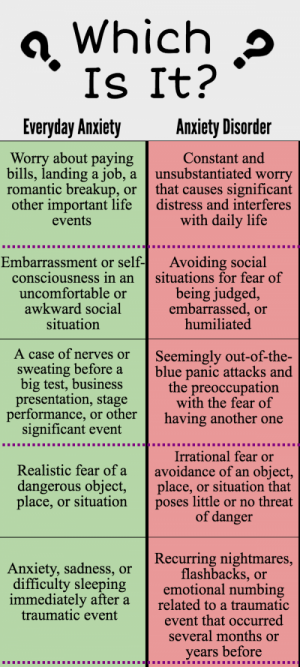
But what happens when there are real dangers causing your anxiety? This is what people with chronic illness face every day.
Some examples of these fears are:
- Fear of physical pain. Fear that it's going to continue to worsen or that it will never stop.
- Is my condition permanent? Am I going to die? What is this going to mean for the rest of my life?
- Being afraid of the treatments. Needles, surgeries, tests, they can all be painful and frightening. Fear of medication side effects is pretty prevalent too.
- Fear of not being diagnosed. Some conditions are hard to get an accurate diagnosis for.

Anxiety is believed to start in the amygdala. The amygdala is the area of the brain that controls emotional responses. But it has not been determined if the amygdala is hyper-responsive before the stressor such as symptoms of social phobia, specific phobia, or PTSD appear or if the stressor causes the hyper-responsiveness. https://www.ncbi.nlm.nih.gov/pmc/articles/PMC3055419/ Neurotransmitters carry the response to the sympathetic nervous system. Then the heart rate and respiration rate increases, and your muscles tense up. And blood flow is diverted from the other organs to the brain. Now due to your anxiety, your body is on high alert. The fight or flight response is in full gear. You may experience nausea, diarrhea, the urge to urinate, light-headedness, pain, headaches, and other physical responses.

According to a Harvard Health article anxiety is associated with many chronic illnesses like heart disease, Chronic Obstructive Pulmonary Disease, and gastrointestinal conditions. If it isn't treated it makes these chronic conditions harder to treat and the patients get worse and their life expectancy is shorter.
It is estimated that about 30% of people suffering from anxiety disorders go untreated. If you suffer from a chronic illness and think you might have it, it is important to discuss it with your primary doctor who can help you find out what is causing your symptoms whether it be physical or psychological. Psychological symptoms are no less real or important than physical ones are. That's what your doctor is there for.
There are several specific types of anxiety disorders.
- Generalized Anxiety Disorder---Patients experience an exaggerated sense of anxiety about health, safety, money, and other aspects of daily life lasting for six months or more. They may also experience headaches, muscle pain, fatigue, nausea, shortness of breath, and insomnia
- Phobias---Patients experience an irrational fear of particular things or situations, such as spiders, being in crowds, or being in enclosed spaces.
- Social Anxiety Disorder--- Patients experience overwhelming self-consciousness in social situations and a feeling of being watched and judged by others and fear of embarrassment.
- Post Traumatic Stress Disorder(PTSD)---Patients relive things from their past that caused an intense physical or emotional threat or an injury such as: childhood abuse, military combat, or an earthquake. They have vivid dreams, flashbacks, or tormented memories. They also experience problems with sleeping or concentrating. They may display angry outbursts, emotional withdrawal, and have a heightened startle response.
- Obsessive Compulsive Disorder--- OCD manifests in obsessive thoughts, that then causes the person to compulsively act in a certain way. An example is having a fear of contamination with germs and then feeling compelled to repeatedly wash your hands in an attempt to lessen the anxiety.
- Panic Disorder---Patients experience episodes of feelings of terror or impending doom, accompanied by rapid heartbeat, sweating, dizziness, or weakness with no apparent provocation.

:max_bytes(150000):strip_icc()/social-anxiety-disorder-causes-3024749-5c3b8f7bc9e77c0001bffa28.png)
These problems can cause complications in chronic illness. For instance, studies have shown that patients that have COPD have high rates of anxiety and panic attacks. This, in turn, causes higher incidents of hospitalization and severe respiratory distress. When you can't catch your breath, anxiety, and panic are pretty understandable. And it would obviously adversely affect your quality of life. Managing Panic Attacks When You Have COPD
The development of heart disease and resultant coronary events have been linked to anxiety disorders. Women with high levels of anxiety were 59% more likely to have a heart attack and 31% more likely to die from it than women with low anxiety in the Nurses Health Study.
A study done at Harvard Medical School and one done at the Lown Cardiovascular Research Institute showed that people with heart disease who also had an anxiety disorder were 2 times more likely to have a heart attack than other people. Anxiety and heart disease: A complex connection

There are treatments for anxiety disorders and they can help treat chronic illnesses and even help prevent heart disease and treat existing heart disease. But treatments need to be tailored to the individual patient. https://www.anxiety.org/treatments
- Cognitive-behavioral therapy. This works by helping the patient identify and avoid thoughts that cause anxiety, and then helps them learn how to react differently to anxiety-provoking situations. It has to be tailored to the patients particular type of anxiety. Patients may learn relaxation techniques to lessen their anxiety.
- Psychodynamic psychotherapy. When anxiety is caused by an emotional trauma it the patient can sometimes benefit from therapy. Research at Colombia University showed that patients suffering from a panic disorder who were treated with psychotherapy had fewer symptoms and were able to function socially better than patients who were treated with relaxation therapy.
There is a tendency for patients and doctors alike to rely mainly on medications to treat anxiety. But on their own, medications don't work as well as when they are combined with psychotherapy. Many of them come with side effects. But they are useful to get the patients symptoms under control so that therapy can be more effective.
These medications consist of anti-anxiety drugs like benzodiazepines(Klonipin, Xanax) There is a newer drug called Buspar that is supposed to have fewer side effects. Whereas the others work quickly, Buspar takes about two weeks to kick in. But it can be taken for longer periods of time than the others.
Antidepressants like Zoloft which is a selective serotonin reuptake inhibitor (SSRI) are used to treat panic disorder and generalized anxiety disorder (GAD). They also treat depression. They are considered to have a lower risk of drug dependence or abuse.
Beta blockers are used to treat anxiety by slowing the heart rate and reducing blood pressure.
DEPRESSION
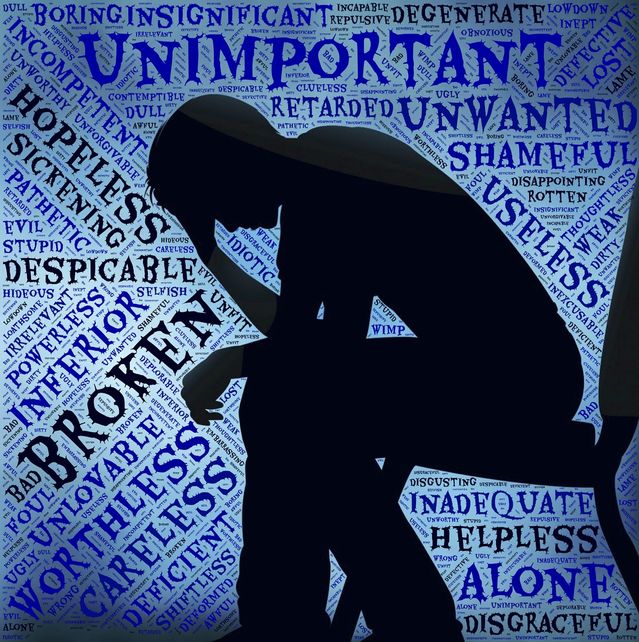
Depression can occur independent of or in relation to anxiety and may have overlapping symptoms. It is common for people with chronic illnesses to suffer from depression. It makes their conditions harder to treat and can make it worse. If patients are treated for depression it can lessen their stress and result in an improvement of their symptoms, resulting in increased quality of life.The World Health Organization (WHO) says that depression is the leading cause of disability in the world and the 4th leading cause of the global burden of disease. They estimate that by 2020, depression will be the 2nd public health concern next to cardiovascular disease. https://www.who.int/news-room/fact-sheets/detail/depression

The criteria for depression in the Diagnostic and Statistical Manual of Mental Disorders, Fourth Edition (DSM-IV), major depressive disorder (MDD) the most severe form of depression, is an episode that lasts at least 2 weeks with the patient having at least 5 out of 9 depressive symptoms. One of the symptoms has to be depressed mood or loss of interest or pleasure in anything (anhedonia). Symptoms have to cause significant distress and social, occupational impairment or impairment in other areas of their lives resulting in noticeable disability caused by their illness.
Symptoms of depression are:
- Feeling sad, irritable, or anxious
- Feeling empty, hopeless, guilty, or worthless
- Loss of pleasure in usually-enjoyed hobbies or activities, including sex
- Fatigue and decreased energy, feeling listless
- Trouble concentrating, remembering details, and making decisions
- Not being able to sleep, or sleeping too much. Waking too early
- Eating too much or not wanting to eat at all, possibly with unplanned weight gain or loss
- Thoughts of death, suicide or suicide attempts
- Aches or pains, headaches, cramps, or digestive problems without a clear physical cause and/or that do not ease even with treatment
People with chronic illness have some of the same risk factors for depression as people in the general population. Things like a personal or family history of depression or loss of family members to suicide are risk factors for depression.
There are some conditions that are themselves risk factors for depression due to causing changes within the brain, such as, Parkinson’s Disease and strokes.
Depression is common among people who have chronic illnesses such as the following:
- Cancer
- Coronary heart disease
- Diabetes
- Epilepsy(Mood, Anxiety and Depression | Advice From Epilepsy Society)
- Multiple sclerosis
- Stroke
- Alzheimer’s disease
- HIV/AIDS
- Parkinson’s disease(Parkinson's disease and anxiety: comorbidity with depression)
- Systemic lupus erythematosus(Lupus and depression: Know the signs and how to get help )
- Sjogren's Syndrome (Anxiety and depression in primary Sjögren's syndrome)
- Rheumatoid arthritis(Rheumatoid Arthritis Linked To Serious Mood Disorders)
- Fibromyalgia(Fibromyalgia and Depression: Effects, Treatments, Signs, and More)
- Crohn's Disease(Signs and Symptoms of Depression | Crohn's & Colitis Foundation)
There are many others.
The rate of anxiety and depression depends on the type and severity of the chronic illness is. But the rates are higher across the board among people with chronic illness in comparison to the general population. It is particularly prevalent in stroke, cardiovascular and diabetic patients.
This is an interesting article about people with the autoimmune condition Sjogren's Syndrome and how they differ from the general population. Sjögren’s Patients Exhibit Different Personality Traits than Healthy Individuals, Study Suggests
Studies suggest that people who have depression and another medical illness experience more severe symptoms of both their depression and their physical illnesses. They can have difficulty adapting to both and higher medical expenses than patients who do not suffer from depression.
People who have been diagnosed with a chronic illness often feel sadness because of the major changes in their lives due to the disease like fatigue and other physical limitations that make their normal activities harder or impossible. They may also feel frustration. Patients often feel anxiety because of uncertainty about what the future holds and the prognosis of their disease because it may be incurable or unpredictable and precarious. And the fear of death can cause great depression and anxiety. They may experience sleep disturbances as a result. If they are able to regain some of their normal functions and participate in their regular daily life their symptoms were reduced.
Chronic illness causes people to be isolated socially due to less contact with friends and family because they can't get out as much. Their friends may also avoid them because they don't know how to deal with their friend's conditions and they may feel like they no longer have anything to relate to.
If you have symptoms like shortness of breath, panic attacks, sensitivity to noise, brain fog, etc. it may cause anxiety and other symptoms that may cause you to remain home further exacerbating your social isolation.
People with chronic illness often express feelings of guilt which makes their anxiety and depression worse. They feel like they are the blame for getting their conditions. Perhaps they didn't take as good of care of themselves as they feel they should have. They also feel shame because they find it difficult to be grateful for being alive.
Another aspect of anxiety and depression in chronic illness is that doctors tend to feel like it is just a normal part of the disease and downplay its importance or in contrast, they might chalk of many of the patient's physical symptoms to their depression causing the patient to rightfully feel dismissed. But to be fair to physicians, the physical symptoms of chronic diseases overlap with depression and anxiety and this makes diagnosis difficult. https://www.ncbi.nlm.nih.gov/pmc/articles/PMC3817854/
The condition known as POTS, Postural Orthostatic Tachycardia is complicated when it comes to anxiety and depression. Postural Orthostatic Tachycardia Syndrome (POTS) is a condition in which heart rate increases abnormally when the individual assumes an upright position. In addition to the marked tachycardia, presyncope, and syncope. Considering the marked elevation in heart rate on standing, increased anxiety about this and the feeling of faintness or actual syncope is not surprising. But many doctors are prone to completely dismissing the condition as just anxiety. This Mysterious Blood-Flow Disorder Is Often Misdiagnosed As Depression
One study in the United Kingdom found that nearly 50 percent of POTS patients had previously been told they had a psychiatric disorder that was responsible for their symptoms.
Cognitive function, health-related quality of life, and symptoms of depression and anxiety sensitivity are impaired in patients with the postural orthostatic tachycardia syndrome (POTS)
In a Vanderbilt University study, Patients with POTS had a markedly diminished quality of life in both physical health and mental/social health domains compared to the healthy volunteers. The scores were comparable to previously published scores for patients with kidney failure requiring hemodialysis. The Vanderbilt data were similar to a prior publication from the Mayo Clinic {PMID: 12059122} that also found diminished quality of life in patients with POTS. https://ww2.mc.vanderbilt.edu/adc/43572
What does anxiety have to do with PoTS?
Research has shown that PoTS is not the same as anxiety. However, PoTS is sometimes confused with anxiety because:
- Anxiety is so common that, just by chance, many people with PoTS will also have anxiety.
- Some of the symptoms of anxiety are similar to the symptoms of PoTS. Palpitations, nausea, light-headedness, gut symptoms, fatigue, and headaches are symptoms that can occur both in anxiety and as a result of PoTS.
- Even when we know that PoTS symptoms are not harmful, symptoms can still feel very frightening. Adding scary thoughts to the mix can increase symptoms even more.
- Worrying excessively about a thing that could happen in the future can lead to low moods. It can help to recognize that these problems have not yet happened and may never happen. Deal with problems as they come up, and use your time and energy on more positive thoughts.
- Anxiety and stress cause our bodies to release a chemical in the blood stream called norepinephrine. People with PoTS seem to be very sensitive to this chemical which can cause symptoms like anxiety. In addition, the parasympathetic nervous system which calms us, may also not be functioning normally in PoTS.
I have shown that people with chronic illnesses are more likely to have anxiety and depression. But people who are depressed are also more likely to have chronic illnesses like cardiovascular disease, diabetes, stroke, and Alzheimer’s disease.
Scientists have found that people who suffer from depression show changes in several different systems in the body:
- Signs of increased inflammation
- Changes in the control of heart rate and blood circulation
- Abnormalities in stress hormones
- Metabolic changes typical of those seen in people at risk for diabetes
Even though you and your doctors may be tempted to dismiss depression and anxiety as a normal part of your illness, DON'T. Treatment for depression is available and can help even if you have another chronic illness or condition. If you think you or a loved one have depression, it is vitally important to tell your doctor so they can help you find treatment options.
It may take some time to recover from depression but being treated can help improve your quality of life.
You Can Find More Information With The Following:
https://adaa.org/understanding-anxiety
https://www.verywellmind.com/social-anxiety-disorder-causes-3024749
https://www.healthline.com/health/anxiety/effects-on-body#1
https://www.anxietycentre.com/anxiety-symptoms.shtml
National Institute of Mental Health http://www.nimh.nih.gov/health/topics/depression/index.shtml
En Español http://www.nimh.nih.gov/health/publications/espanol/depresion/index.shtml
For more information on conditions that affect mental health, resources, and research, go to MentalHealth.gov at http://www.mentalhealth.gov, or the NIMH website at http://www.nimh.nih.gov. In addition, the National Library of Medicine’s MedlinePlus service has information on a wide variety of health topics, including conditions that affect mental health.
National Institute of Mental Health
Office of Science Policy, Planning, and Communications
Science Writing, Press, and Dissemination Branch
6001 Executive Boulevard
Room 6200, MSC 9663
Bethesda, MD 20892-9663
Phone: 301-443-4513 or 1-866-615-NIMH (6464) toll-free
TTY: 301-443-8431 or 1-866-415-8051 toll-free
Fax: 301-443-4279
Email: nimhinfo@nih.gov
Website: http://www.nimh.nih.gov
Tuesday, February 27, 2018
Death of a teen with POTS?
"Pots is Postural Orthostatic Tachycardia Syndrome and you're not supposed to die from this so we're not really sure what happened but something did happen."
http://www.kcwy13.com/content/news/A-dance-to-rememberfor-a-rising-star-471675953.html
http://www.kcwy13.com/content/news/A-dance-to-rememberfor-a-rising-star-471675953.html
Postural Orthostatic Tachycardia Syndrome Treatment Market
It's good to know that if there is money in it, they will be trying to find treatments for POTS.>insert sarcasm<
"Postural orthostatic tachycardia syndrome treatment market is expected to show significant growth over the forecast period owning to factors such as, increasing awareness and diagnosis. Unavailability of the specific treatment is a hindrance for the growth of postural orthostatic tachycardia syndrome but few drugs are under clinical trials which are expected to get marketing approval over the forecast period and fuel the growth of postural orthostatic tachycardia syndrome treatment market. "
Postural orthostatic tachycardia syndrome treatment market is expected to show significant growth over the forecast period owning to factors such as, increasing awareness and diagnosis. Unavailability of the specific treatment is a hindrance for the growth of postural orthostatic tachycardia syndrome but few drugs are under clinical trials which are expected to get marketing approval over the forecast period and fuel the growth of postural orthostatic tachycardia syndrome treatment market.
"Postural orthostatic tachycardia syndrome treatment market is expected to show significant growth over the forecast period owning to factors such as, increasing awareness and diagnosis. Unavailability of the specific treatment is a hindrance for the growth of postural orthostatic tachycardia syndrome but few drugs are under clinical trials which are expected to get marketing approval over the forecast period and fuel the growth of postural orthostatic tachycardia syndrome treatment market. "
Postural orthostatic tachycardia syndrome treatment market is expected to show significant growth over the forecast period owning to factors such as, increasing awareness and diagnosis. Unavailability of the specific treatment is a hindrance for the growth of postural orthostatic tachycardia syndrome but few drugs are under clinical trials which are expected to get marketing approval over the forecast period and fuel the growth of postural orthostatic tachycardia syndrome treatment market.
Teen Siblings Create App For People Struggling With Mental Health
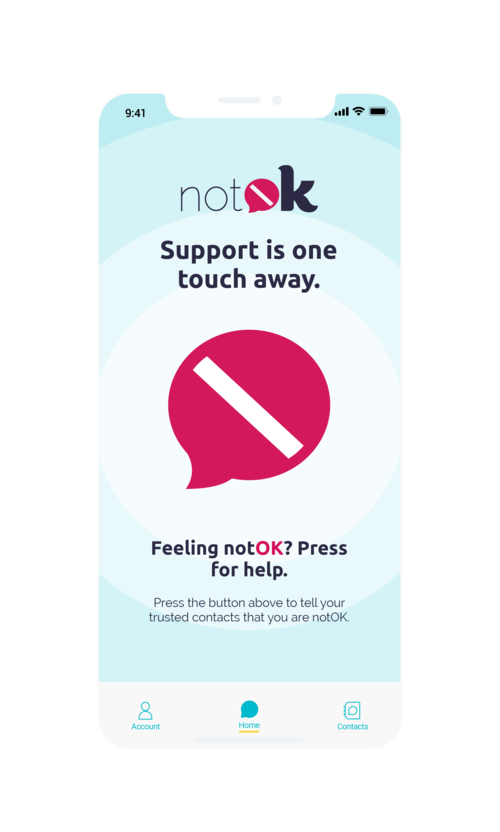
These kids have come up with a really helpful idea for people with chronic health problems. They have developed an app called notOK.
https://www.simplemost.com/not-ok-app-teens-mental-health-issues/
POTS IN THE NEWS

https://www.belmarrahealth.com/postural-orthostatic-tachycardia-syndrome-pots-diet-causes-symptoms-treatment/
The people who wrote this one need to be smacked for referring to POTS as just something that causes "lightheadedness". http://www.newsweek.com/who-tori-more-foles-nick-wife-philadelphia-eagles-super-bowl-798669
I found this one interesting because it says she got POTS after a head injury. That is when my late husband's POTS started. https://www.teamusa.org/News/2018/February/14/Brittany-Bowe-Continues-To-Climb-Closer-And-Closer-To-Olympic-Podium-Finishing-Fourth-In-1000
http://abc13.com/education/girl-suspended-after-fainting-at-school-allowed-back/3120348/
Sunday, April 30, 2017
SKIN CANCER AWARENESS IN MAY

May is Skin Cancer Awareness Month. People who have POTS often have autoimmune disease as an underlying cause. And people with autoimmune disease have a higher risk for all types of cancer including skin cancer and lymphoma.
I can tell you from personal experience, it's not fun to have chunks carved out of you and then have to wear makeup to cover the scars. I have a couple of scars that are bad enough that I tell people I have been in a knife fight.
Wear your sunblock people.
Skin cancer risk in autoimmune connective tissue diseases


https://www.ncbi.nlm.nih.gov/pubmed/24975951

Skin cancers associated with autoimmune conditions among elderly adults
Merkel Cell Carcinomas--Autoimmune Disease
New England Journal of Medicine--Risk for Nonmelanoma Skin Cancer Associated with Immunosuppressive Treatment of Autoimmune Disease


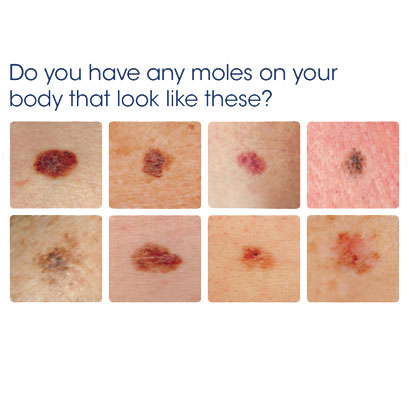

Diagnosis and Treatment of Basal Cell and Squamous Cell Carcinoma
Basal Cell Carcinoma--The Most Commonly Occurring Form Of Skin Cancer
Friday, April 14, 2017
What is Raynaud's (ray-NOHDZ) disease?
What is Raynaud's (ray-NOHDZ) disease?


It is a condition that causes some of the areas of your body, usually but not always the extremities, such as your fingers and toes — to feel numb and cold when they become cold. Stress can also cause symptoms. When you have Raynaud's disease the smaller arteries which supply blood to your skin narrow, decreasing the blood flow to affected areas. This is called vasospasm.
More women than men have Raynaud's disease. It is also called Raynaud's phenomenon or syndrome. People who have it usually just say, “Raynaud's” without the other descriptive words. People who live in colder climates are more likely to have it.
If you have Raynaud's, your treatment is largely dependent upon how severe it is and also any other conditions you may have. It isn't usually life threatening, but it does affect how you live on a day to day basis.
Simple things can bring on an attack, like digging around in your freezer for that roast you know is in there somewhere. It doesn't take long for your hands to turn colors and hurt. And it gets worse when you take your hands out of the freezer and the circulation comes back into them. Other things like going out into the cold or putting your hands into cold water can cause the same symptoms.

Some of the symptoms include:
Cold fingers or toes
Color changes in your skin in response to cold or stress
Numb, prickly feeling or stinging pain upon warming or stress relief
Your fingers or toes get cold and then they turn white. Then they progress to blue and start to feel numb and cold. And then when you seek to warm them up, and the circulation starts to come back into them, they become painful, with throbbing and tingling and they turn red. Some people like me don't have all three color changes. I usually don't turn blue. But that may be because I avoid getting my hands and feet cold. They may never get cold enough to cause the change from white to blue. But I have had them do that years ago. It can take as much as 15 minutes for the blood flow in an affected area to return to normal.
There are other areas of the body besides the fingers and toes that can be affected by Raynaud's. Your ears, lips, and nose can be affected. Raynaud's can even affect the internal organs. And even more embarrassing areas like your nipples and your rear end. Yes, now you can tell your husband that “turkey butt” is a medical condition and you can't help it.
I purposefully chose photographs that don't look too severe. Not everyone looks like they are ready for amputation when they have an attack of Raynaud's and if you look at the severe cases you might not recognize it in yourself. If you have bad discoloration you can google it and come up with photos.


The exact cause of Raynaud's hasn't been determined yet. Something causes the blood vessels in the hands and feet to overreact to cold temperatures or stress. This overreaction is called vasospam. During vasospasm the arteries that supply blood to your fingers and toes spasm due to cold exposure or stress and narrow which causes a decrease in the blood supply. This eventually causes the arteries to thicken which further limits the blood flow.
Raynaud's phenomena in real time.
There are two classifications of Raynaud's.
PRIMARY RAYNAUD'S
It is also called Raynaud's disease and it's usually isn't caused by some other medical condition. It usually begins earlier in life than Secondary Raynaud's between 15-30 years of age. There seems to be a genetic predisposition to Primary Raynaud's. Approximately 1/3 of patients with Primary Raynaud's have a parent, sibling or child who also has it the disorder.
SECONDARY RAYNAUD'S
It is also called Raynaud's phenomenon and is less common than Primary Raynaud's. and it usually is caused by something else. It is usually more serious. Onset is usually around the age of 40.
There are two main types of the condition.
Things that cause Secondary Raynaud's are Connective tissue diseases like Scleroderma, Rheumatoid Arthritis, Sjogren's syndrome, and Lupus. Scleroderma can cause a hardening or thickening of the blood vessels. Sjogren's, Lupus and RA cause inflammation of the nerves that cause the blood vessels to constrict. Up to 1/3 of Lupus patients have Raynaud's. And 15-30% of Sjogren's patients have Raynaud's. I have both Lupus and Sjogren's so it was probably inevitable that I would have Raynaud's.

Hardening of the arteries also called atherosclerosis and high blood pressure in the lungs called primary pulmonary hypertension also cause Raynaud's. These things can be exacerbated by smoking because it causes the blood vessels to constrict.

If you have Carpel tunnel syndrome causes numbness and pain in your hands due to pressure on the nerves. This can cause your hands to be susceptible to temperature changes and lead to Raynaud's. Operating tools which vibrate can cause you to develop Secondary Raynaud's.
Raynaud's disease is also associated with dysautonomia. With regard to Postural Orthostatic Tachycardia, Neurocardiogenic Syncope and Orthostatic Hypotension, an interview on Dysautonomia International had this to say: “We do not know how many POTS, NCS or OH patients have APS, but Dysautonomia International recently funded a research project designed by Dr. Svetlana Blitshteyn to try to shed some light on the topic of autoimmune markers and autoimmune conditions in patients with POTS. Dysautonomia International will make an announcement when Dr. Blitshetyn’s study results are released.” And in the article, it says that Raynaud's disease is a symptom of Antiphospholipid Syndrome. So you can say that Raynaud's is associated with dysautonomia.What Dysautonomia Patients Should Know About Antiphospholipid Syndrome Postural Orthostatic Tachycardia SyndromeA Dermatologic Perspective and Successful Treatment with Losartan
That's not too surprising. People with dysautonomia and POTS have problems regulating temperature in general and blood flow problems because of inadequate pressure in the blood vessels. And POTS, like Raynaud's disease, is associated with autoimmune diseases.
Causes
Beta blockers, migraine medications, ADD/HD medication, and cold medications can all cause Raynaud's or make it worse because they cause constriction of the blood vessels.
There are also some chemicals that can cause Secondary Raynaud's.
It can become severe enough that you need to seek medical help. You definitely need to see a doctor if you get a sore on one of the areas affected so that you don't end up with an infection and lose an appendage.

Some people have a permanent reduction or blood flow which causes their fingers and toes to become deformed. If a complete blockage of an artery occurs, you can get skin ulcerations and ultimately gangrene, which is why it is important to see a doctor if you get a sore on an affected area to avoid having an amputation.
Treatments
There are things you can do for Raynaud's. Wearing warm clothes, socks and gloves in cold weather are essential. Ear muffs and masks and scarves to keep your nose warm are also good ideas. Some people wear the socks and gloves when they are sleeping. And the gloves come in handy when you have to get into the freezer, but I personally never remember to do it. Avoid getting cold in the first place. Smoking is a no-no. Avoid stress because it can bring on an attack. And exercise increases circulation.
If you get cold, go inside and warm up. Two things that you should do are almost instinctive for people to do. Wiggling your fingers and toes and rubbing them to get them warm. You can also put your hands in your armpits and swing your arms to increase blood flow. You can run warm water over them too. Just don't get the water too hot.
Medications
And there are medications that help.
Calcium Channel Blockers relax the small blood vessels which help avoid the vasospasms. Common drugs in this class are Procardia, Norvasc, and Verapamil and Nifedipine.
Alpha blockers like prazosin and Cardura work by counteracting noradrenaline also called norepinephrine. This hormone causes blood vessels to constrict.
Vasodilators Nitroglycerin works as a vasodilator and comes in a cream and will facilitate the healing of ulcers. Losartan, which is a high blood pressure medication, and Viagra, as well as antidepressants like fluoxetine, can help treat Raynaud's.
Fish oil has fatty acids in that are supposed to make you less susceptible to cold. Studies have shown that it didn't help people who have Secondary Raynaud's. You have to be careful when taking high doses of fish oil because it acts as a blood thing and increases your risk of bleeding, particularly if you take blood thinners, like as warfarin (Coumadin), clopidogrel (Plavix), or aspirin. Discuss it with your doctor.
Gingko is also supposed to be helpful by opening up the blood vessels. One study showed that Raynaud's patients had less pain if they took 160 mg of ginkgo per day. DO NOT take ginkgo if you have a history of seizures. Ginkgo can also increase risk of bleeding, especially if you take blood thinners. Talk to your doctor.
Evening primrose oil also contains a type of fatty acid which keeps your body from making chemicals that narrow blood vessels. Studies have shown that taking Evening primrose oil will lessen the severity of attacks as well as the frequency. EPO can make seizures worse in people who already have them and they shouldn't take it. And just like fish oil, there is a risk of bleeding with it.
There is a form of vitamin B3(niacin) called Inositol hexaniacinate. It may reduce the number of Raynaud's attacks. But it requires high doses and needs to be monitored by a doctor.
Taking Magnesium supplements opens the blood vessels, but there haven't been any studies to show if it works. Some people get diarrhea from taking it, so take it with a meal to help avoid this problem. It can also interfere with some medications like high blood pressure medication and antibiotics, so your doctor needs to be aware if you are taking it.
Biofeedback to lessen the effects of stress on your body may help lessen the frequency of attacks. Accupuncture is another treatment option that helps by improving blood flow to the affected areas. There is also a specific kind of biofeedback called Thermal Biofeedback that studies have shown works.
Surgery and injections
When lifestyle changes and medication don't help enough, sometimes things like surgery and injections of chemicals are the next line of treatment.
There are nerves in your feet and hands that control vasoconstriction and dilation. There is a surgery called a sympathectomy, in which these nerves around your blood vessels in your hands or feet are cut to stop the over-constriction. For some people it is helpful.
Botox injections can also block the sympathetic nerves and block the over-constricion.
For more information visit this link for a guide to Raynaud's
Raynaud’s Guide: The Cold Facts on Raynaud’s
These are links to my sources:
http://www.mayoclinic.org/diseases-conditions/raynauds-disease/basics/definition/con-20022916
http://www.umm.edu/health/medical/altmed/condition/raynauds-phenomenon


It is a condition that causes some of the areas of your body, usually but not always the extremities, such as your fingers and toes — to feel numb and cold when they become cold. Stress can also cause symptoms. When you have Raynaud's disease the smaller arteries which supply blood to your skin narrow, decreasing the blood flow to affected areas. This is called vasospasm.
More women than men have Raynaud's disease. It is also called Raynaud's phenomenon or syndrome. People who have it usually just say, “Raynaud's” without the other descriptive words. People who live in colder climates are more likely to have it.
If you have Raynaud's, your treatment is largely dependent upon how severe it is and also any other conditions you may have. It isn't usually life threatening, but it does affect how you live on a day to day basis.
Simple things can bring on an attack, like digging around in your freezer for that roast you know is in there somewhere. It doesn't take long for your hands to turn colors and hurt. And it gets worse when you take your hands out of the freezer and the circulation comes back into them. Other things like going out into the cold or putting your hands into cold water can cause the same symptoms.

Some of the symptoms include:
Cold fingers or toes
Color changes in your skin in response to cold or stress
Numb, prickly feeling or stinging pain upon warming or stress relief
Your fingers or toes get cold and then they turn white. Then they progress to blue and start to feel numb and cold. And then when you seek to warm them up, and the circulation starts to come back into them, they become painful, with throbbing and tingling and they turn red. Some people like me don't have all three color changes. I usually don't turn blue. But that may be because I avoid getting my hands and feet cold. They may never get cold enough to cause the change from white to blue. But I have had them do that years ago. It can take as much as 15 minutes for the blood flow in an affected area to return to normal.
There are other areas of the body besides the fingers and toes that can be affected by Raynaud's. Your ears, lips, and nose can be affected. Raynaud's can even affect the internal organs. And even more embarrassing areas like your nipples and your rear end. Yes, now you can tell your husband that “turkey butt” is a medical condition and you can't help it.
I purposefully chose photographs that don't look too severe. Not everyone looks like they are ready for amputation when they have an attack of Raynaud's and if you look at the severe cases you might not recognize it in yourself. If you have bad discoloration you can google it and come up with photos.


The exact cause of Raynaud's hasn't been determined yet. Something causes the blood vessels in the hands and feet to overreact to cold temperatures or stress. This overreaction is called vasospam. During vasospasm the arteries that supply blood to your fingers and toes spasm due to cold exposure or stress and narrow which causes a decrease in the blood supply. This eventually causes the arteries to thicken which further limits the blood flow.
Raynaud's phenomena in real time.
There are two classifications of Raynaud's.
PRIMARY RAYNAUD'S
It is also called Raynaud's disease and it's usually isn't caused by some other medical condition. It usually begins earlier in life than Secondary Raynaud's between 15-30 years of age. There seems to be a genetic predisposition to Primary Raynaud's. Approximately 1/3 of patients with Primary Raynaud's have a parent, sibling or child who also has it the disorder.
SECONDARY RAYNAUD'S
It is also called Raynaud's phenomenon and is less common than Primary Raynaud's. and it usually is caused by something else. It is usually more serious. Onset is usually around the age of 40.
There are two main types of the condition.
Things that cause Secondary Raynaud's are Connective tissue diseases like Scleroderma, Rheumatoid Arthritis, Sjogren's syndrome, and Lupus. Scleroderma can cause a hardening or thickening of the blood vessels. Sjogren's, Lupus and RA cause inflammation of the nerves that cause the blood vessels to constrict. Up to 1/3 of Lupus patients have Raynaud's. And 15-30% of Sjogren's patients have Raynaud's. I have both Lupus and Sjogren's so it was probably inevitable that I would have Raynaud's.

Hardening of the arteries also called atherosclerosis and high blood pressure in the lungs called primary pulmonary hypertension also cause Raynaud's. These things can be exacerbated by smoking because it causes the blood vessels to constrict.

If you have Carpel tunnel syndrome causes numbness and pain in your hands due to pressure on the nerves. This can cause your hands to be susceptible to temperature changes and lead to Raynaud's. Operating tools which vibrate can cause you to develop Secondary Raynaud's.
Raynaud's disease is also associated with dysautonomia. With regard to Postural Orthostatic Tachycardia, Neurocardiogenic Syncope and Orthostatic Hypotension, an interview on Dysautonomia International had this to say: “We do not know how many POTS, NCS or OH patients have APS, but Dysautonomia International recently funded a research project designed by Dr. Svetlana Blitshteyn to try to shed some light on the topic of autoimmune markers and autoimmune conditions in patients with POTS. Dysautonomia International will make an announcement when Dr. Blitshetyn’s study results are released.” And in the article, it says that Raynaud's disease is a symptom of Antiphospholipid Syndrome. So you can say that Raynaud's is associated with dysautonomia.What Dysautonomia Patients Should Know About Antiphospholipid Syndrome Postural Orthostatic Tachycardia SyndromeA Dermatologic Perspective and Successful Treatment with Losartan
That's not too surprising. People with dysautonomia and POTS have problems regulating temperature in general and blood flow problems because of inadequate pressure in the blood vessels. And POTS, like Raynaud's disease, is associated with autoimmune diseases.
Causes
Beta blockers, migraine medications, ADD/HD medication, and cold medications can all cause Raynaud's or make it worse because they cause constriction of the blood vessels.
There are also some chemicals that can cause Secondary Raynaud's.
It can become severe enough that you need to seek medical help. You definitely need to see a doctor if you get a sore on one of the areas affected so that you don't end up with an infection and lose an appendage.

Some people have a permanent reduction or blood flow which causes their fingers and toes to become deformed. If a complete blockage of an artery occurs, you can get skin ulcerations and ultimately gangrene, which is why it is important to see a doctor if you get a sore on an affected area to avoid having an amputation.
Treatments
There are things you can do for Raynaud's. Wearing warm clothes, socks and gloves in cold weather are essential. Ear muffs and masks and scarves to keep your nose warm are also good ideas. Some people wear the socks and gloves when they are sleeping. And the gloves come in handy when you have to get into the freezer, but I personally never remember to do it. Avoid getting cold in the first place. Smoking is a no-no. Avoid stress because it can bring on an attack. And exercise increases circulation.
If you get cold, go inside and warm up. Two things that you should do are almost instinctive for people to do. Wiggling your fingers and toes and rubbing them to get them warm. You can also put your hands in your armpits and swing your arms to increase blood flow. You can run warm water over them too. Just don't get the water too hot.
Medications
And there are medications that help.
Calcium Channel Blockers relax the small blood vessels which help avoid the vasospasms. Common drugs in this class are Procardia, Norvasc, and Verapamil and Nifedipine.
Alpha blockers like prazosin and Cardura work by counteracting noradrenaline also called norepinephrine. This hormone causes blood vessels to constrict.
Vasodilators Nitroglycerin works as a vasodilator and comes in a cream and will facilitate the healing of ulcers. Losartan, which is a high blood pressure medication, and Viagra, as well as antidepressants like fluoxetine, can help treat Raynaud's.
Fish oil has fatty acids in that are supposed to make you less susceptible to cold. Studies have shown that it didn't help people who have Secondary Raynaud's. You have to be careful when taking high doses of fish oil because it acts as a blood thing and increases your risk of bleeding, particularly if you take blood thinners, like as warfarin (Coumadin), clopidogrel (Plavix), or aspirin. Discuss it with your doctor.
Gingko is also supposed to be helpful by opening up the blood vessels. One study showed that Raynaud's patients had less pain if they took 160 mg of ginkgo per day. DO NOT take ginkgo if you have a history of seizures. Ginkgo can also increase risk of bleeding, especially if you take blood thinners. Talk to your doctor.
Evening primrose oil also contains a type of fatty acid which keeps your body from making chemicals that narrow blood vessels. Studies have shown that taking Evening primrose oil will lessen the severity of attacks as well as the frequency. EPO can make seizures worse in people who already have them and they shouldn't take it. And just like fish oil, there is a risk of bleeding with it.
There is a form of vitamin B3(niacin) called Inositol hexaniacinate. It may reduce the number of Raynaud's attacks. But it requires high doses and needs to be monitored by a doctor.
Taking Magnesium supplements opens the blood vessels, but there haven't been any studies to show if it works. Some people get diarrhea from taking it, so take it with a meal to help avoid this problem. It can also interfere with some medications like high blood pressure medication and antibiotics, so your doctor needs to be aware if you are taking it.
Biofeedback to lessen the effects of stress on your body may help lessen the frequency of attacks. Accupuncture is another treatment option that helps by improving blood flow to the affected areas. There is also a specific kind of biofeedback called Thermal Biofeedback that studies have shown works.
Surgery and injections
When lifestyle changes and medication don't help enough, sometimes things like surgery and injections of chemicals are the next line of treatment.
There are nerves in your feet and hands that control vasoconstriction and dilation. There is a surgery called a sympathectomy, in which these nerves around your blood vessels in your hands or feet are cut to stop the over-constriction. For some people it is helpful.
Botox injections can also block the sympathetic nerves and block the over-constricion.
For more information visit this link for a guide to Raynaud's
Raynaud’s Guide: The Cold Facts on Raynaud’s
These are links to my sources:
http://www.mayoclinic.org/diseases-conditions/raynauds-disease/basics/definition/con-20022916
http://www.umm.edu/health/medical/altmed/condition/raynauds-phenomenon

Raynaud's Awareness
Pathophysiology Raynaud's Disease
Monday, April 10, 2017
SUICIDE RISK IN CHRONIC ILLNESS AND PAIN

I've been thinking about suicide, not for myself, but suicide in the news and how suicide affects people with chronic illness. There was a recent incident in the news about an 11-year-old boy who committed suicide. When I was 12, my very first boyfriend, who was only 13, committed suicide and it colored the rest of my life. facebook-prank-leads-11-year-old-boy-commit-suicide/
My maternal grandmother was chronically ill most of her life. She eventually gave up and became catatonic. She was 1/4 Cherokee Indian and Native Americans used to go off by themselves and will themselves to die when they believed they had become a burden on their society. I believe in my heart that is what she did.
Other members of my family were bipolar and I am familiar with threats to just give up and die, quit taking medication, shoot themselves, burn down the house, etc. It's one reason I am determined never to do that to anyone if I can help it.
The areas of personal knowledge that I have come to experience with regard to chronic illness are: heart disease, diabetes, COPD, Parkinson's Disease, Crohn's Disease, Systemic Lupus Erythematosus, Sjogren's Syndrome, Chronic Kidney Disease and Kidney Failure, Postural Tachycardia Syndrome, Rheumatoid Arthritis and Osteoarthritis, Migraines, Depression, Bipolar Depression and several other illnesses.
In people with chronic illness, there doesn't have to be any clinical depression involved. People with chronic illness become suicidal because of poor quality medical care because their illness is difficult to diagnose and to treat; being told by everyone around you from doctors to friends and family that your illness and symptoms are all in your head; decreased mobility; poor memory, confusion and other cognitive function that decreases their quality of life; lack of support and love from the very people who are supposed to be there for you; and due to that, feeling isolated and alone; feeling like you are a burden; and an overall loss of hope.
“Comorbid conditions that pose risks for suicide, especially depression, are prevalent in people living with chronic pain. The true numbers of failed attempts and successful suicides are unknown and may never be determined. Yet risk factors for suicidal ideation are so high in this population that it must be assumed that some proportion of those who die of drug overdoses might have intended to end their lives, not just temporarily relieve their pain.” https://www.ncbi.nlm.nih.gov/pmc/articles/PMC3125689/
“Between 2005 and 2007, emergency department visits for drug-related suicide attempts increased by 30% and there was an overall 55% increase in opioid-related attempts.”
Those are staggering statistics when you think about it. Since those statistics were released, the United States has had a heroin epidemic. I happen to live across the Ohio River from America's Death Capitol, Huntington, WV. In America's drug death capital: How heroin is scarring the next generation
In modern society, suicide is considered to be a deviant act and believed to be a sign of severe mental illness or something done on impulse or out of despair. But for many people, committing suicide may appear to be the only way out of their situation which is causing their suffering be it mental, physical or both.
In 2007, statistics showed suicide was the 11th highest cause of death in the United States. More than 34,000 people die due to suicide and over 376,000 people visit emergency rooms due to self-inflicted injuries annually. Among those who died, one-third tested positive for alcohol and one in five showed evidence of opiates including prescription drugs and heroin.
And between 1999 and 2014, suicide rates have jumped 24%.
Among the risk factors for suicide is a family history of suicide, history of childhood abuse, previous suicide attempts and history of mental disorders, which include depression, alcohol and substance abuse, impulse disorders. aggressive behavior, isolation, loss of jobs and/or family, physical illness and access to the means to kill themselves, along with a reluctance to seek help because of the stigma that is attached to mental disorders.
People commit suicide because they see it as an easy way out and a permanent solution to a problem. They feel hopeless as if it is their only option and an escape from the emotional pain that they're in.
 CLICK ON GRAPHIC FOR LARGER VIEW

It is not hard to see that people who are living with chronic pain have much in common with these people. People with chronic pain often experience hopelessness and isolation due to that pain. Socially they experience losses that include their job roles and family roles. And then due to their pain, they are prescribed opioids. And when the pain becomes too much the opioids are handy.
Having already experienced being overlooked and ignored by the medical community because of hard to diagnose chronic illnesses, these people are often reluctant to seek psychiatric treatment. Unfortunately, many of them have already been accused of having mental problems or drug seeking tendencies, they don't want to seek treatment for their illnesses. One survey found that 50% of chronic pain patients had seriously considered committing suicide due to the pain.
“These findings highlight the importance of pain as a potentially independent risk factor for suicide, particularly among those with head pain or multiple forms of co-occurring pain. Individuals suffering from chronic pain may be particularly appropriate for suicide screening and intervention efforts.”
Studies have found that the relationship between pain and suicidal ideation are affected by sleep disorders and catastrophizing. Catastrophizing is an exaggerated and negative focus on pain that leads to depression intensifying the pain and disability. The level of depression and pain catastrophizing was a pretty good predictor of the degree of suicidal ideation and poor pain coping skills were also associated with suicide independent of the level depression and pain severity. This study found that improving sleep and pain coping skills may reduce the incidence of suicidal thoughts and attempts.
Those most at risk for suicide are people over the age of 45, women, those with a dependence on alcohol, previous suicide attempts, and previous psychiatric hospitalizations. Other factors are besides chronic illness are frequent suicidal thoughts, a lack of social support, unemployment, having been divorced, and how severe their psychiatric disorders are. Things that indicate an increased risk of suicide are: giving away personal property, a lack of future goals, making a will, and/or having experienced a recent loss.
SUICIDE AND AUTOIMMUNE DISEASE
One of the most disturbing things I read when I decided to write this was that people with high levels of inflammatory markers have high suicidal ideation. That means that people like me who have one or more autoimmune diseases and the inflammatory processes that come with it are more prone to suicidal thoughts. And it can be a vicious cycle because psychological stress, in turn, raises levels of inflammation. Blood Test for Suicide Risk?
An article in the Journal of American Medical Association (Autoimmune Diseases and Severe Infections as Risk Factors for Mood DisordersA Nationwide Study)showed that autoimmune diseases and infections are risk factors for subsequent mood disorder diagnosis.
A prior hospital contact because of autoimmune disease increased the risk of a
subsequent mood disorder diagnosis by 45%. Any history of hospitalization for infection increased the risk of later mood disorders by 62%. The 2 risk factors interacted in synergy and increased the risk of subsequent mood disorders even further. The number of infections and autoimmune diseases increased the risk of mood disorders in a dose-response relationship. Approximately one-third (32%) of the participants diagnosed as having a mood disorder had a previous hospital contact because of an infection, whereas 5% had a previous hospital contact because of an autoimmune disease.
SUICIDE AND MIGRAINES AND BACK PAIN
Two of the types of chronic pain with the highest incidence of suicidal thought are migraines and back pain. Pain from migraine & severe headache increases suicide risk I have to say I understand why migraine sufferers have a 4 times greater risk of suicide. I have prayed to die during a migraine. The study showed that even though migraine sufferers also often have depression, it was their pain level that made them suicidal.
“These findings highlight the importance of pain as a potentially independent risk factor for suicide, particularly among those with head pain or multiple forms of co-occurring pain. Individuals suffering from chronic pain may be particularly appropriate for suicide screening and intervention efforts.”
After patients with chronic illness have been screened for depression and suicidal ideation, they should be referred for counseling with a behavioral health specialist. Whether or not they require inpatient treatment basically depends on how severe their depression and suicidal ideation is. It also depends on whether their thoughts of suicide have been vague or if the have had specific plans and also the means to carry out the plans, such as access to medicine in high enough doses to be lethal, or previous attempts, a history of impulse control problems. The level of support from family and friends and their coping ability also are significant. People who are severely depressed and suicidal but also need to take opioids should only have access to small amounts at a time. Their doctor can write their prescription for small amounts and their family members can give them their medicine daily. Overall, having their family involved in their treatment is vital. They also need to be given medication for depression and to help sleep problems. There are other treatments for relaxation and insomnia as well. Efficacy of guided imagery with relaxation for osteoarthritis symptoms and medication intake.
HOW CAN YOU HELP?
One of the best ways to help people with chronic illness is to listen to them and believe them when they tell you they are sick and how they feel. Telling someone that it is all in their head is not helpful and is downright damaging to them. Help them find medical care and keep looking until they find a doctor with the answers.
Reach out to them by phone or text if you can't see them in person so that they don't feel so isolated and lonely.
Know the signs.

Know the signs.

If you think they might be suicidal, ask them and if they say yes, take it seriously. Sometimes suicidal people just haven't been able to bring themselves to say it out loud and need help asking for help.
Help them get help. You really don't want to be wrong.
The following is information and videos for you or anyone you know who is or might be suicidal or having suicidal thoughts.
There are tools to screen for depression and anxiety. They are usually based on the (DSM-IV TR).
Highest Score is 66. To rate the severity of depression in patients who are already diagnosed as depressed, administer this questionnaire. The higher the score, the more severe the depression.
This one is an interesting assessment of how disabled you are and asks questions about how difficult it is for you to go about your day to day activities. It includes things like difficulty remembering things, concentrating, standing, sitting, getting along with other people, household tasks, school/work, and social activities. WHODAS 2.0 (World Health Organization Disability Schedule 2.0, 36-item version, self-administered.
This website has confidential screening tests
This news story and video shows you how to flag a video if you see a video of someone planning to commit suicide.
The following URL will take you to a site with a number to text if you are in crisis.
Who can text?
People of all ages – we’re not just for teenagers. Parents, college students, older adults, and anyone else are welcome to text.
What happens when you text us?
You’ll be connected to a trained Crisis Counselor who is ready to take you from a “hot moment” to a “cool calm.” They’ll actively listen to you to help you determine your next steps to stay safe. They won’t offer direct advice, but they can guide you to coping skills.
Free - Crisis Text Line does not charge for the support it provides. Standard messaging fees are waived on Verizon, AT&T, T-Mobile, and Sprint, and texts to 741741 will not appear on your phone bill if you use one of these carriers.
Confidential – What you say stays between you and the Crisis Counselor. If you are in immediate risk of seriously hurting yourself or others, emergency services may be contacted. We are mandated reporters for cases of abuse of a minor.
24/7 - Help is available around the clock – we answer over 90% of texters within 5 minutes or less.
Nationwide – Volunteers from around the country, supporting people in crisis across the country.
NATIONAL SUICIDE PREVENTION HOTLINE-- 1-800-273-8255
16 Minutes- Suicide Prevention Video
Why do chronic pain patients kill themselves?
Subscribe to:
Posts (Atom)